
Hallowing the Ground: Why I Photograph Slave Quarters

Oak Alley Plantation, LA
Fertile seeds are often planted in uncomfortable soil.
Shortly after the murder of George Floyd in 2020, I was sitting in my car during a lunch break outside the winery where I worked in Napa Valley. As I scrolled through Instagram, I noticed a stream of black squares moving down my feed. I didn't know about Blackout Tuesday, the hashtags, the epic movement surging through social media.
Within minutes of searching, a wave of shame surged through me—like an unanticipated tsunami tearing through a quiet coastal town.
That shame gnawed on me the rest of the day and eventually revealed something unmistakable: I had lived most of my life largely disengaged from the central wound of American history—the system of slavery that shaped our nation's wealth and identity. I hadn't denied it. I had simply never taken the time to understand its depth and implications.
And once I saw that, I couldn't unsee it.
Around that same time, the Episcopal church launched a program called Sacred Ground, helping white congregants examine the history of slavery, white privilege, and embedded supremacist ideologies in American life. I joined.
For months, I sat in conversation with other white men and women, confronting inherited narratives and our own ignorance. That work deepened into an eight-month intensive exploring white privilege and expanded into a wider study through writers such as Clint Smith, Isabel Wilkerson, Imani Perry, Ibram X. Kendi, and Richard Wright.
When I read Native Son, something broke open in me. It remains one of the most influential books I've ever encountered. For the first time, I felt — however incompletely — what it must have been like to live under the suffocating psychological weight of constant threat in America.
This was the beginning of my awakening to my own apathy.
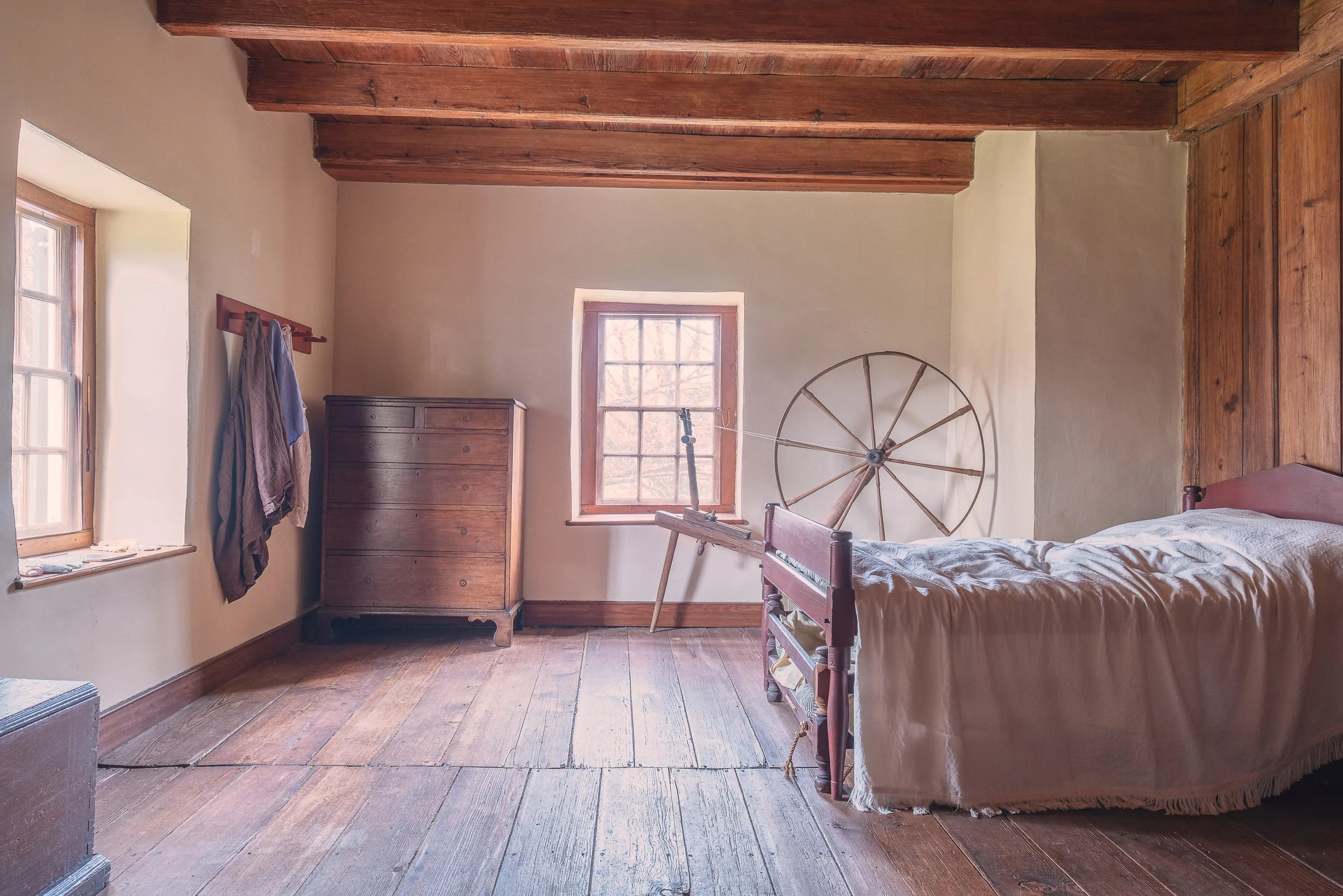
Hezikiah Alexander Home, Charlotte, NC
In December 2023, my wife and I moved to Charlotte, North Carolina. On the ten-day drive across the country, I stopped at Oak Alley Plantation in Louisiana.
When I stepped inside the former slave quarters, the air felt thick.
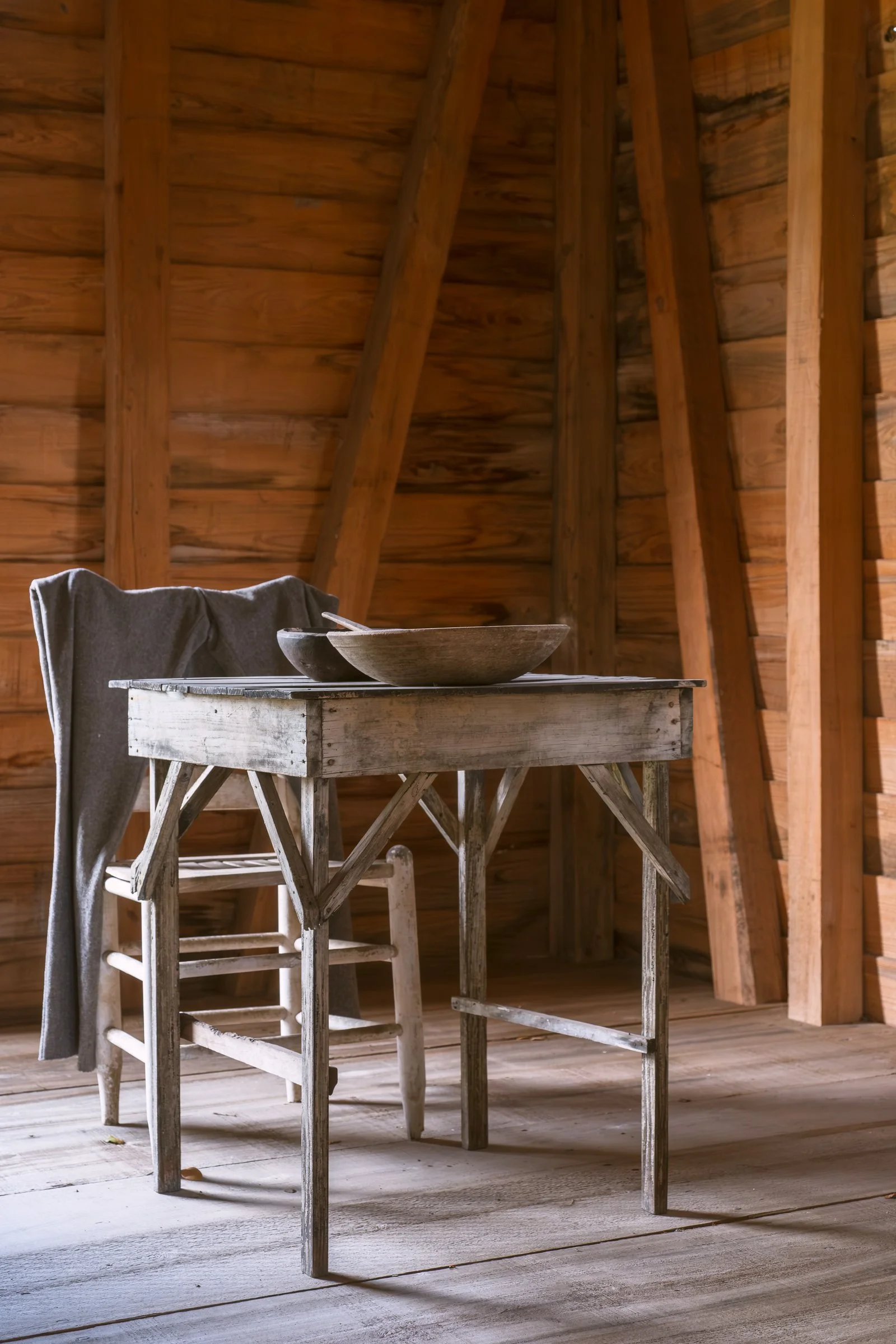
The narrow rooms pressed inward. The wood walls seemed to hold memory. Light fell across an old weathered chair, its seat woven together with wicker sticks worn smooth by years of use—of bodies sitting, waiting, resting briefly before returning to labor.
History was no longer theory. I was standing inside architecture that had contained suffering, endurance, labor, and survival.
I left knowing something had shifted.
I needed to continue my exploration—not as a tourist, but as an artist.
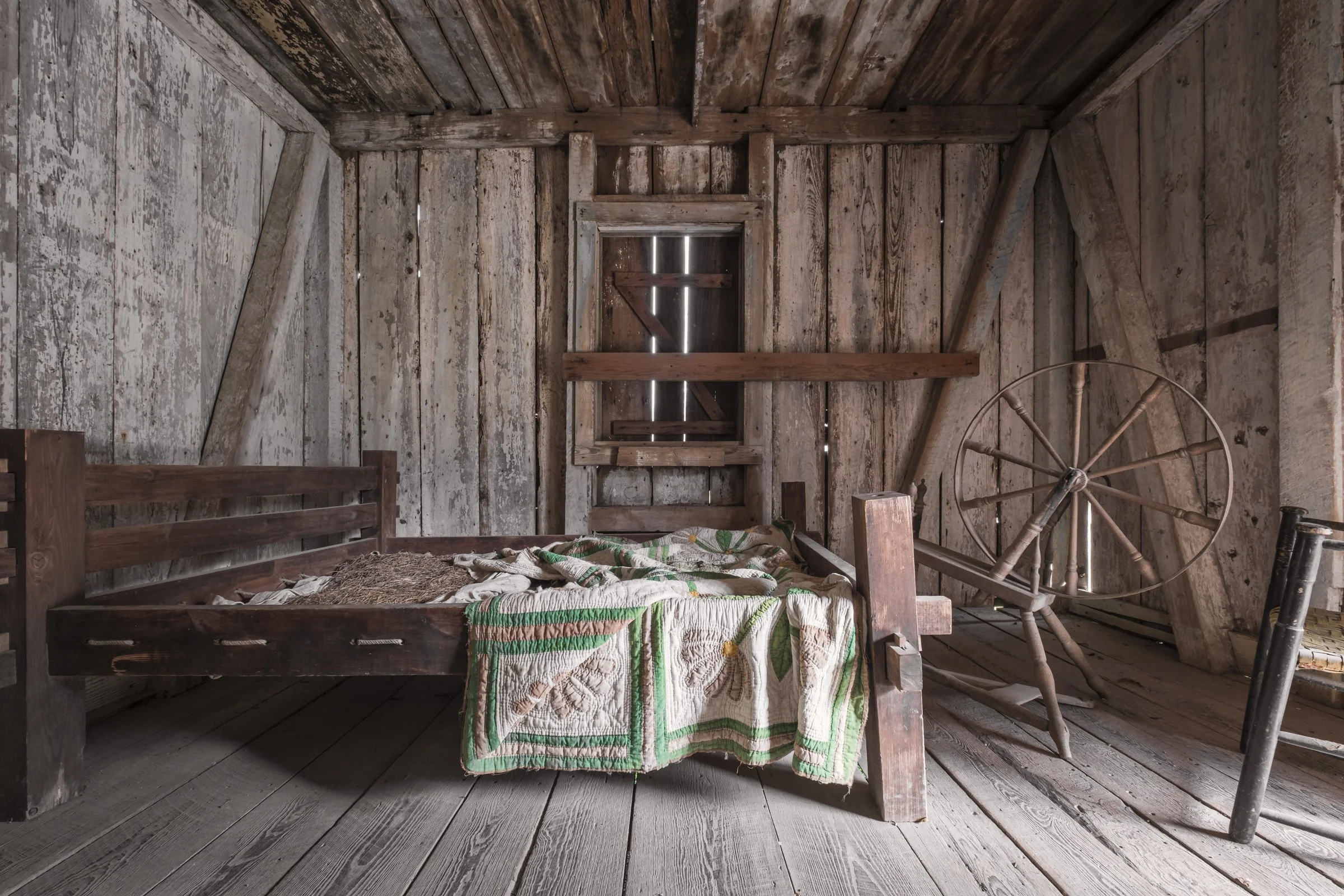
Whitney Plantation, LA
That moment became the seed for Hallowing the Ground.
I am a white man creating a body of work honoring the lives of enslaved Black people. I have benefited from a system built on their suffering—and silence is its own form of complicity. Remembrance is a moral act. I cannot undo history, but I refuse to ignore it. The dark corners of our collective psyche that we fail to bring into the light will quietly corrode the soul.
Hallowing the Ground: Honoring Enslaved Lives Through the Spaces They Lived and Worked is a photographic meditation on one of the most painful chapters in American history.
The work centers on fine art photographs of slave quarters and overseer homes across the American South—structures that witnessed lives marked by violence, separation, resilience, and survival. Alongside these images, I've woven in testimonies from the Federal Writers' Project—first-person accounts collected in the 1930s from formerly enslaved people who bore witness to their own experiences. Their words carry what no photograph can: the interior lives, the memories, the voices of those who endured.
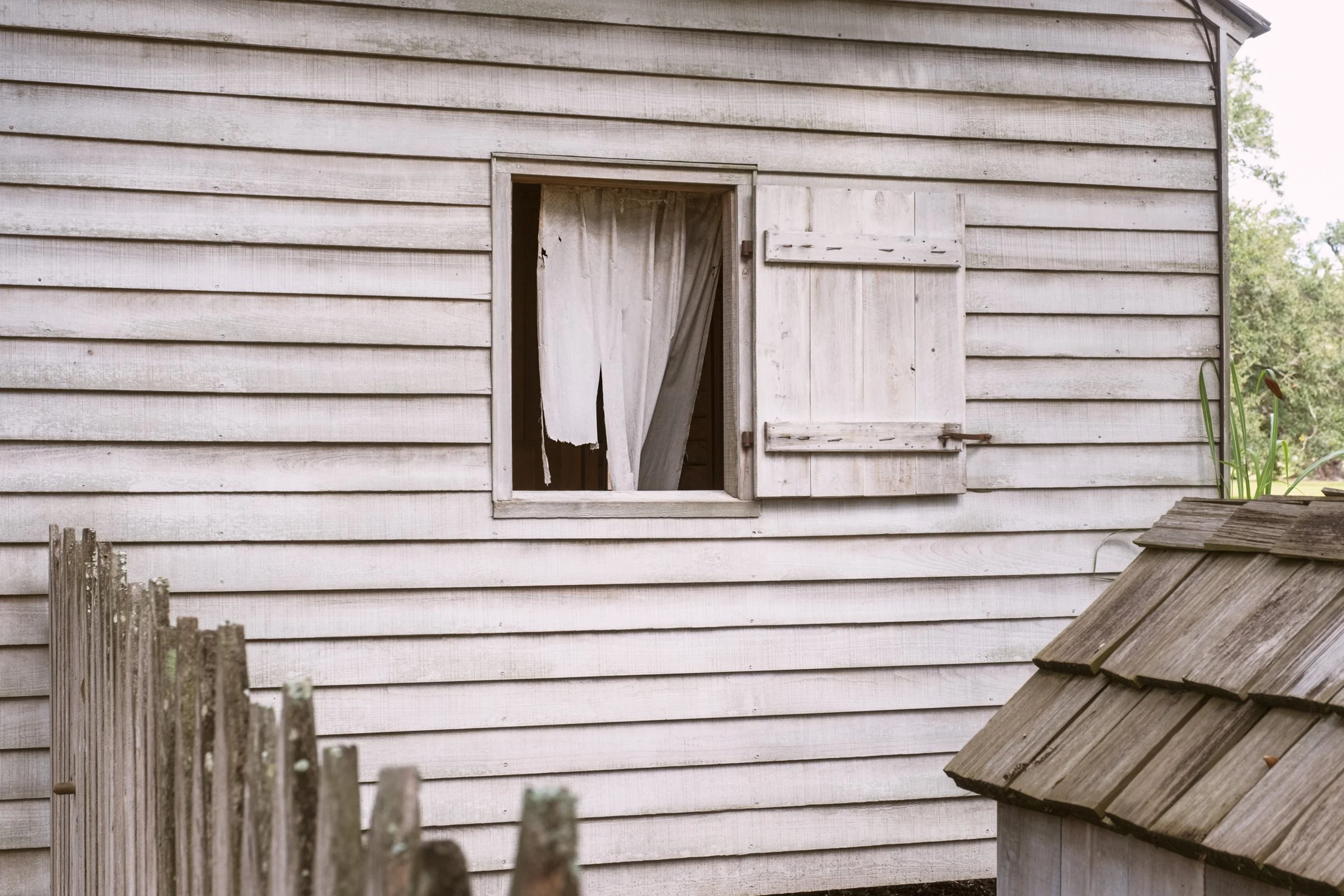
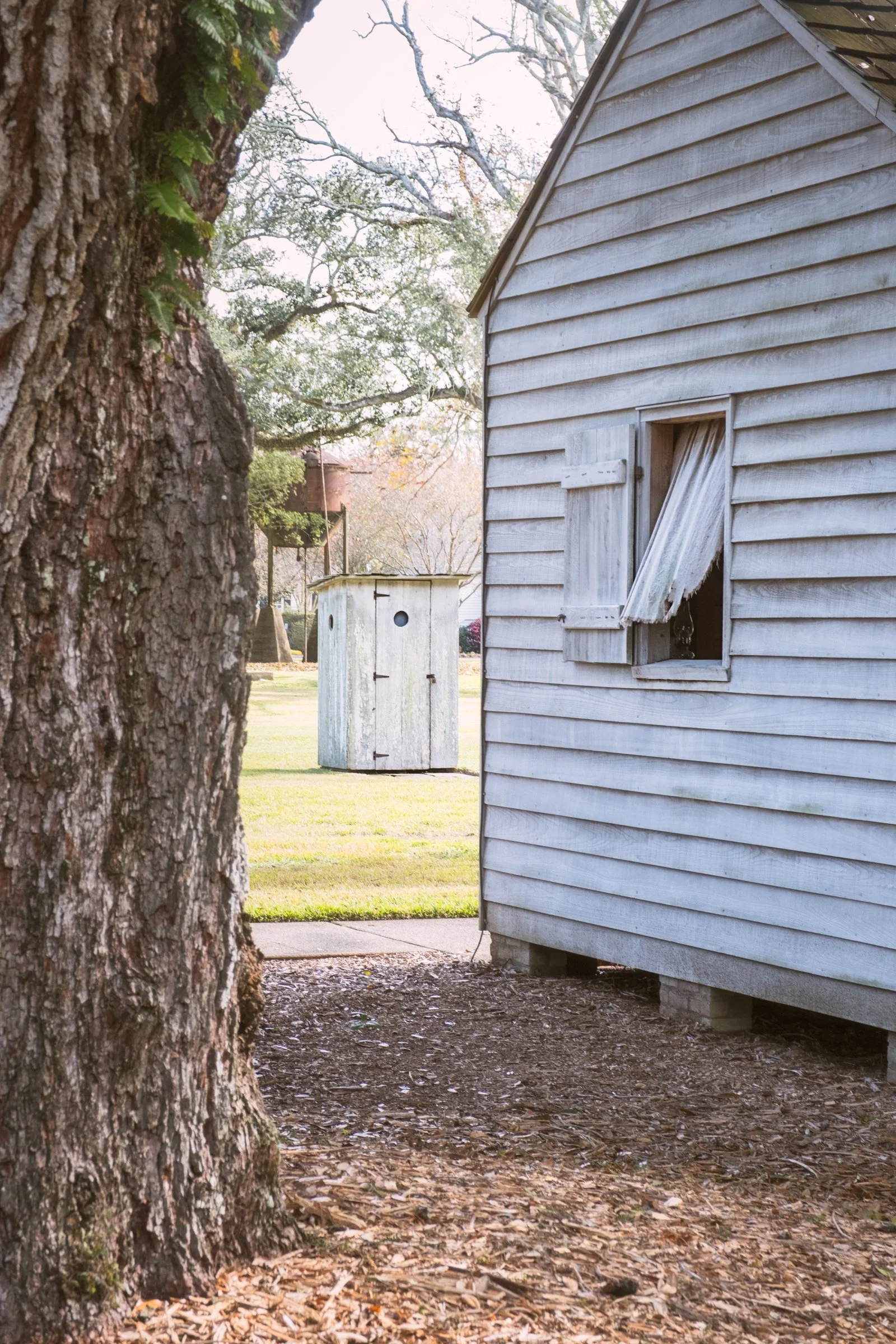
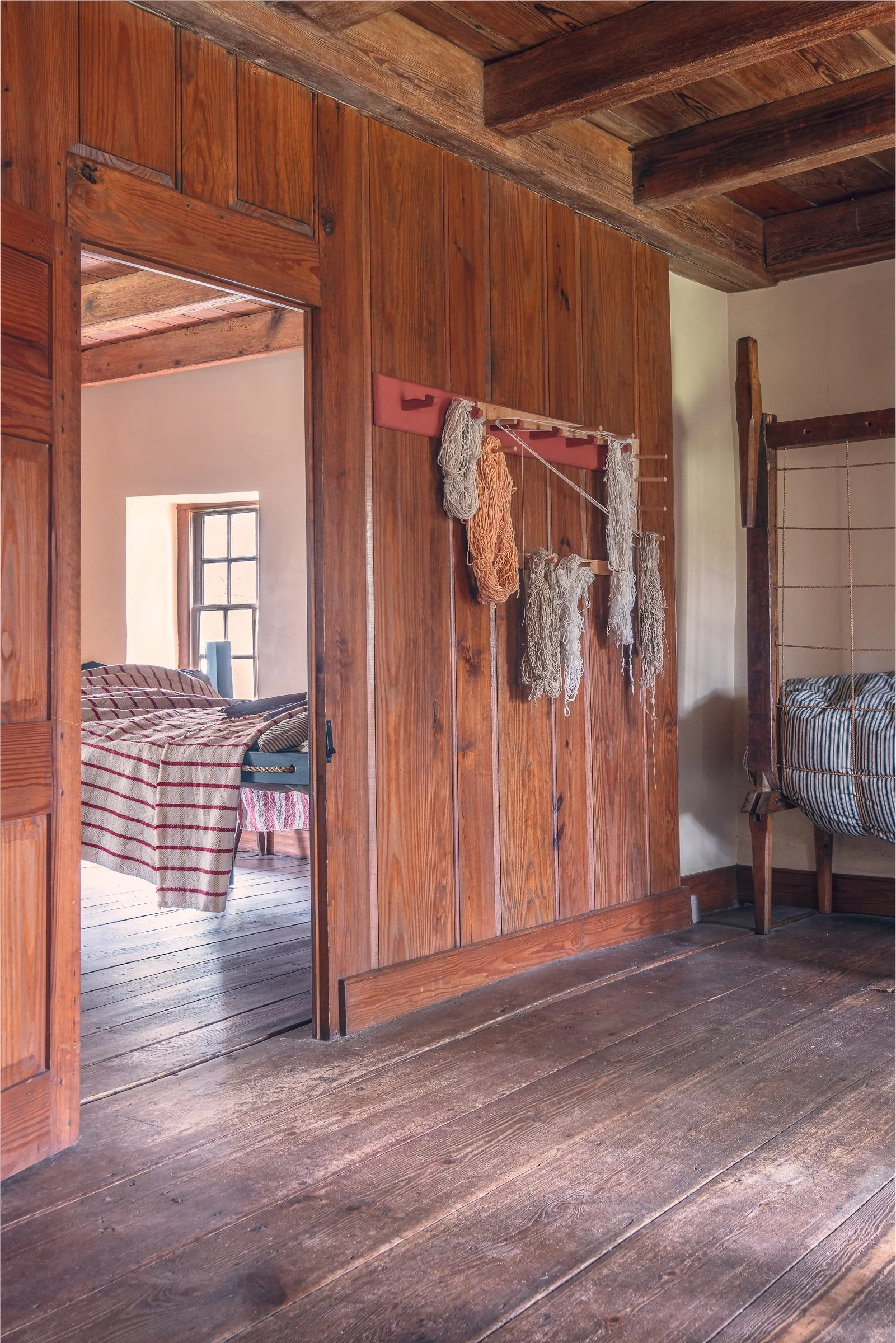
The photographs themselves are deliberately quiet. I paid careful attention to the doorways, rooms, windows, walls, beds, landscape, and chairs—the physical remnants of spaces where human beings lived, loved, grieved, and survived. Each image asks the viewer to slow down, to imagine standing in that threshold, to feel the weight of what happened within those walls.
The aim is not to dramatize pain. It is to create space for contemplation.
Could a photograph connect someone to ancestral memory? Could recorded testimony awaken grief that has long been buried?
I can only speak to what happened in me — and I know that I can approach this work with humility, discernment, and reverence. I can ensure the focal point does not center me — but centers remembrance.
We should never forget this history — not because guilt is productive, but because ignorance is dangerous.
For me, this project is an act of reverence. An attempt to hallow ground that once bore unimaginable suffering — and to insist that those lives mattered.
They still matter.
