
Go Back and Get It: Memory, Design, and the Ground Beneath The Pearl
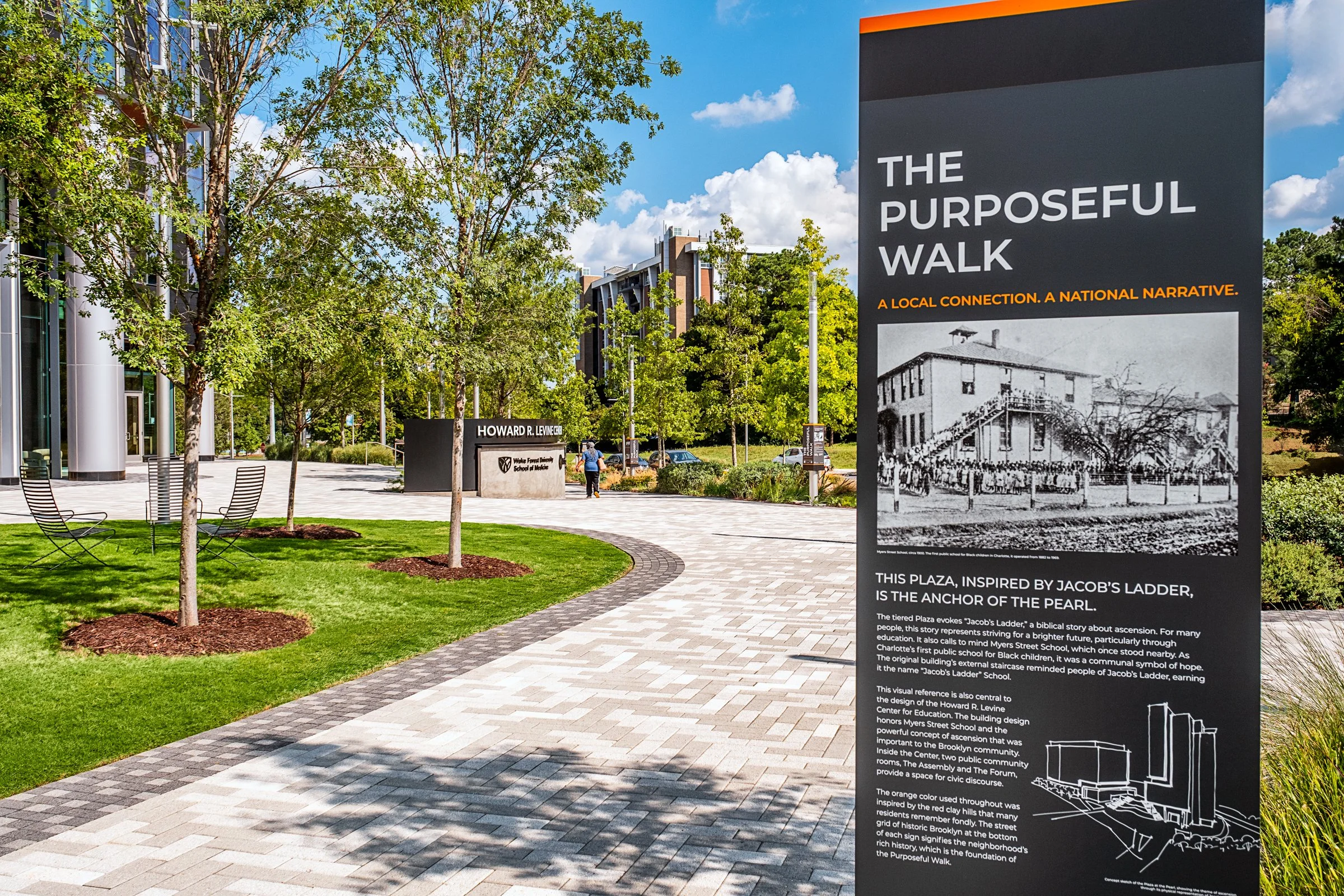
The Pearl Innovation District, on land once part of Charlotte’s Brooklyn neighborhood
I turned off the engine and opened the car door.
Light reflected off the sidewalk, harsh enough to remind me to grab my sunglasses. Within five minutes, sweat was beading on my forehead, and the air was dense enough to wear. But my attention was immediately pulled to a sign just a few feet away. Two quotations at the top seemed to jump out at me:
“We were considered insignificant.” — Rev. Janet Garner-Mullins
“We always say not urban renewal, but urban removal.” — Mamie F. Cuthbertson
I sat with those words for a minute and took in my surroundings. Kyle walked up shortly afterward and introduced himself with a warm handshake.
Kyle, one of the project's lead landscape architects, had come to walk me through the site. Kimley-Horn had hired me to photograph their work, and I wanted to understand what I was photographing.
Having read a bit about the history of this land before our meeting, I jumped right in and asked how one approaches designing something new on ground where so many lives had been uprooted. I imagined this was not an easy commission for anyone who cares about the truth.
There was a slight pause. Then Kyle began to share how he and his team had approached that question.
We began to walk, and I listened.
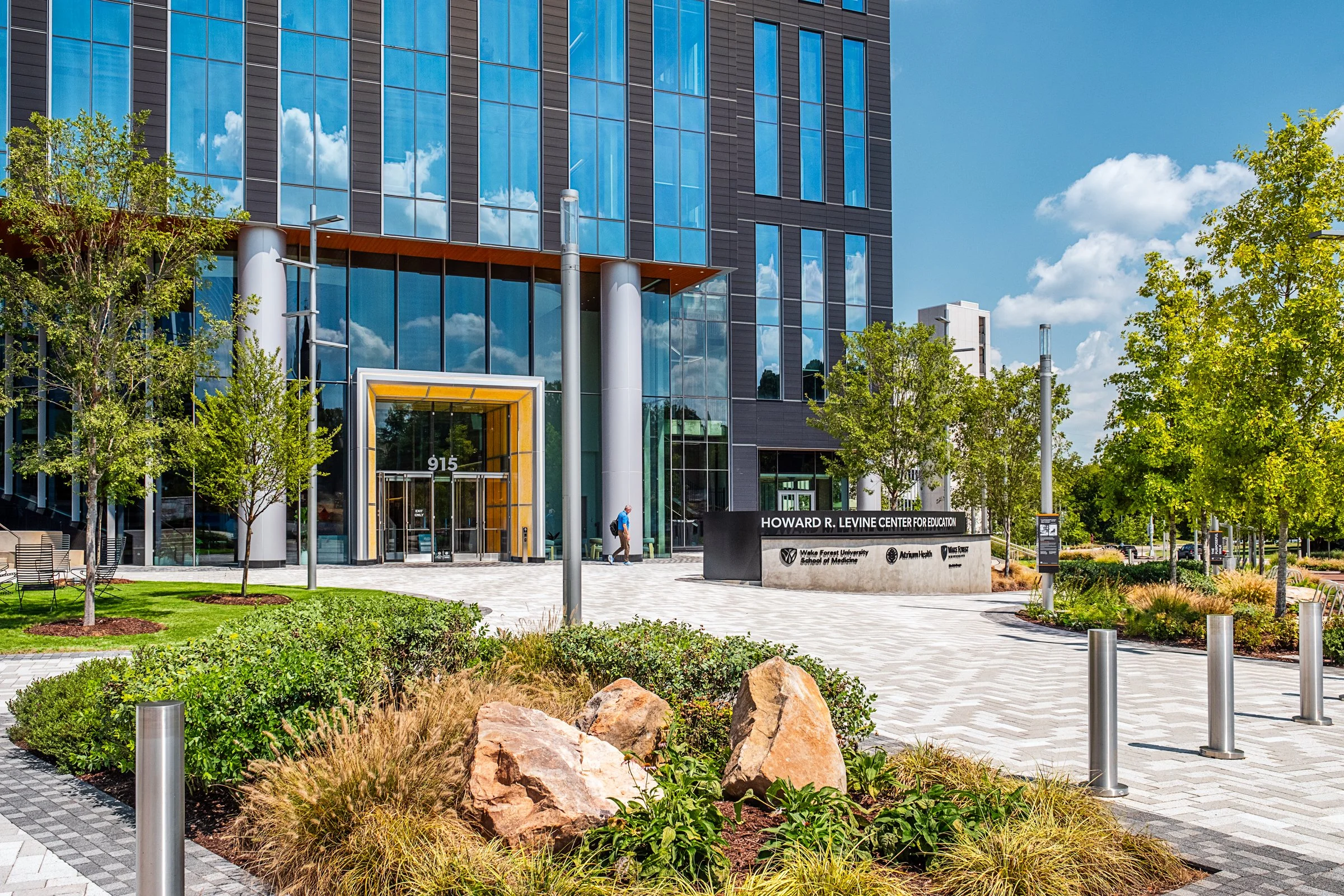
During our tour, I was struck by his sensitivity and the care that had gone into the design. I felt honored to be there and wanted my images to convey that care.
This question sharpened as we walked, and it stayed with me long after the photoshoot:
What does a new place owe the people who were removed from it?
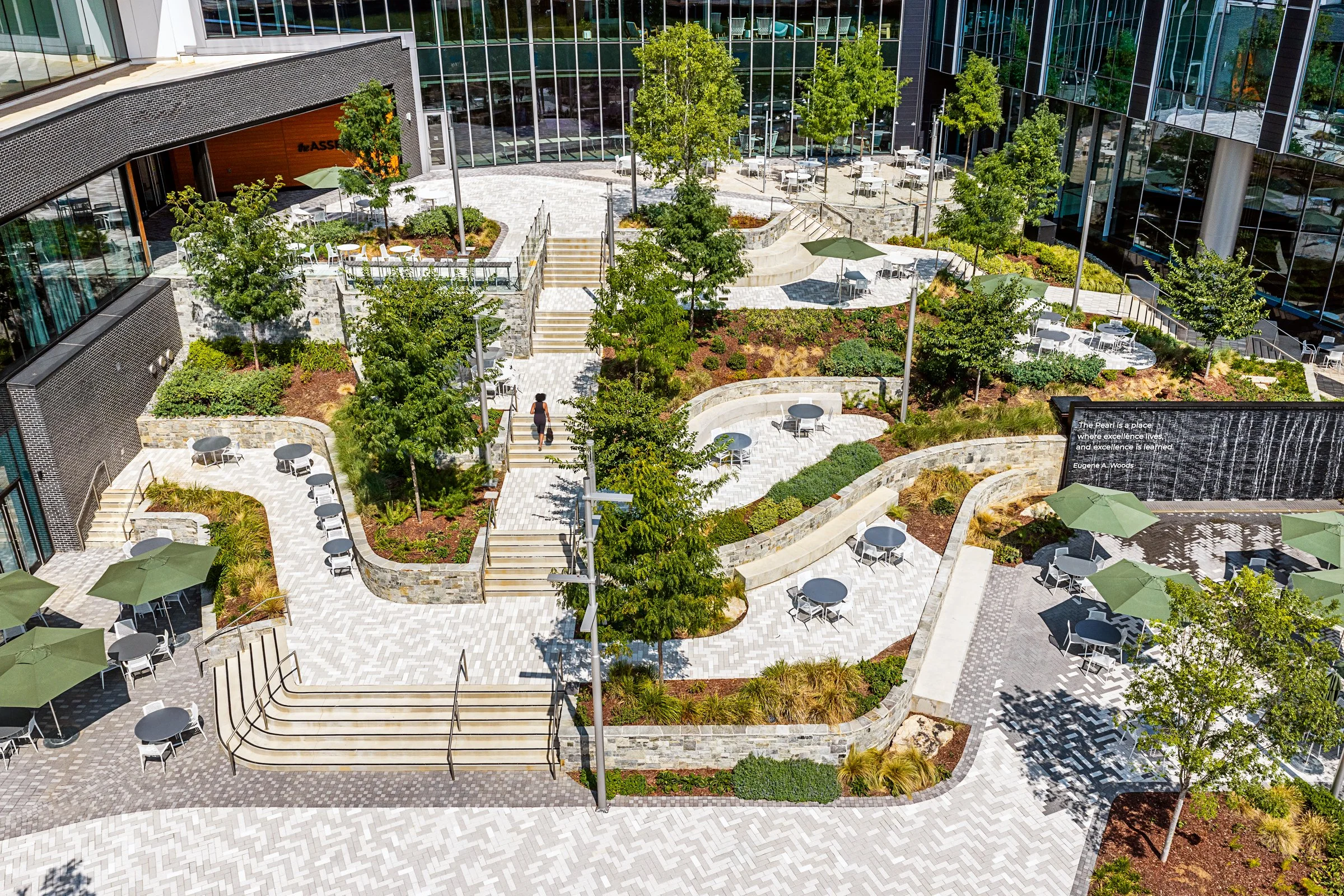
Brooklyn: A City Within a City
I lived in Prospect Heights, Brooklyn, New York, for years and never knew Charlotte had a Brooklyn of its own. When I heard the name for the first time, I knew I had to learn more.
Before The Pearl, this land belonged to the larger geography of Brooklyn, a Black neighborhood rooted in Charlotte's Second Ward. Families lived here, raised children, built businesses, and established institutions that served generations. Under segregation, Brooklyn held within reach much of what Black Charlotteans needed. A city within a city.
There were restaurants, barbershops, funeral homes, and places to see a movie. The Savoy Theatre stood on South McDowell Street. A business district stretched along Brevard and Second streets. The Mecklenburg Investment Company Building provided space for Black businesses and professionals. Grace A.M.E. Zion Church stood on South Brevard Street, part of a neighborhood where congregations sustained religious and community life. Unlike so much of Brooklyn, the church building and the Mecklenburg Investment Company Building survived the clearance. Both still stand on South Brevard Street—physical reminders of the community that surrounded them.
Children attended Myers Street School and Second Ward High School. Readers had the Brevard Street Library. Laborers and physicians, ministers, teachers, and shop owners shared the neighborhood. Substantial homes stood near modest cottages and crowded rental housing; prosperity and hardship shared the same streets.
Near the ground now occupied by The Pearl, Pearl Street was a residential lane lined with small wooden houses. Nearby, Pearl Street Park became a gathering place on land the city purchased in 1943 specifically for Black recreation. Second Ward students used its athletic fields. Children had swings, a wading pool, and room to play.
Frank Manago, who grew up on Morrow Street, a block north of the park, remembered it this way in a 2018 interview with historian Tom Hanchett: “Pearl Street Park was like a big family gathering every day.” In his account, neighbors greeted the football players walking from school to practice, offering cups of water in the summer heat.
That detail gives the neighborhood a scale we can understand. A school, a park, and the people between them who knew the children passing by.
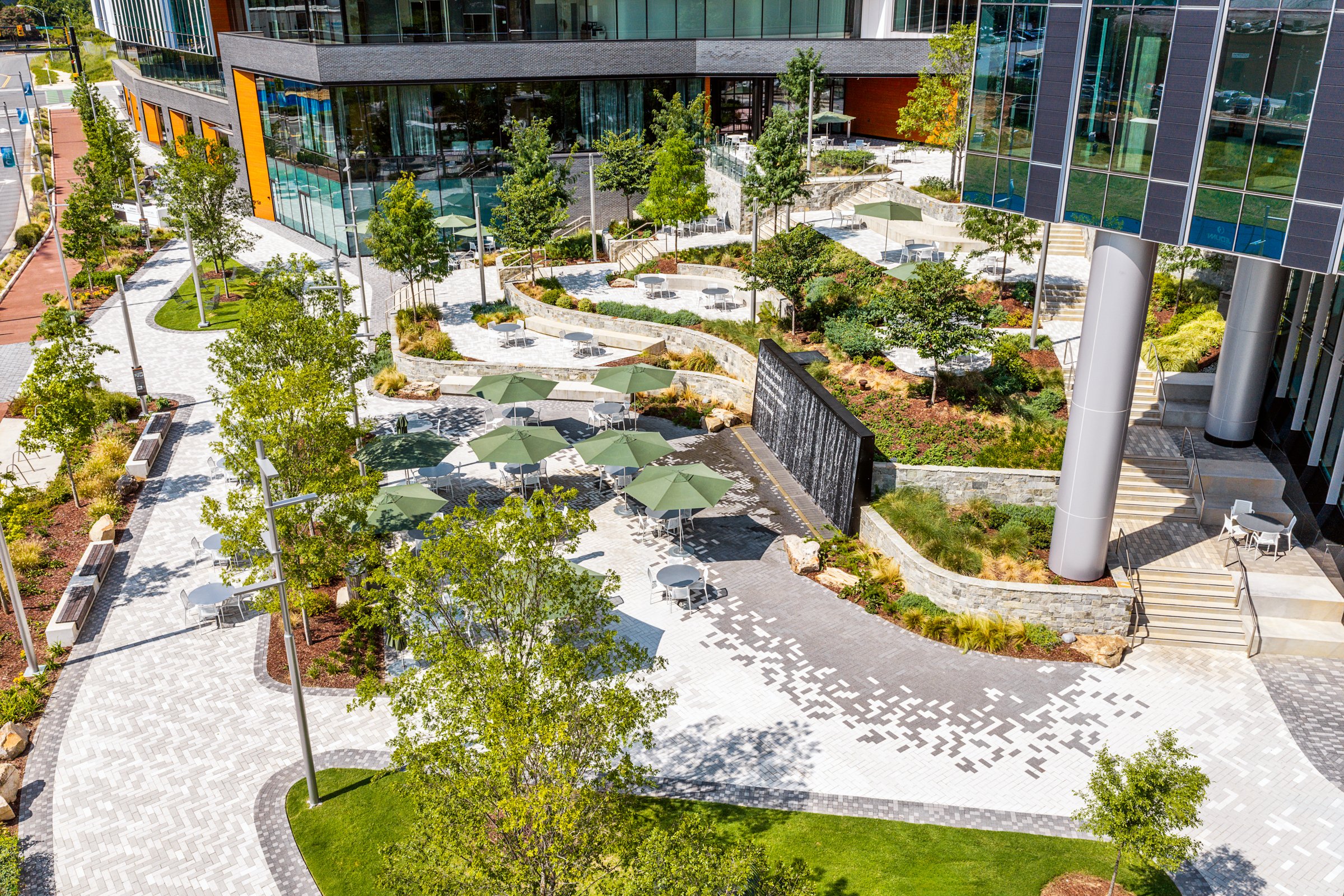
The Pearl Innovation District, on land once part of Charlotte’s Brooklyn neighborhood
What Urban Renewal Took
I sat with this history. Then the harder part of the story came into view.
Beginning in 1961, Charlotte dismantled much of Brooklyn through a federally supported urban renewal program. City leaders described the neighborhood as blighted. The clearance displaced more than a thousand families and more than two hundred businesses, removing homes, churches, and schools across the community.
Families searched for housing elsewhere in Charlotte. Many businesses never reopened. Congregations dispersed. The places that had connected daily life were no longer there to bring people together.
Frank's family left in August 1968. In the same interview, he remembered losing contact with neighbors after everyone moved away, sometimes finding them again at funerals and exchanging addresses.
The loss continued long after the buildings came down.
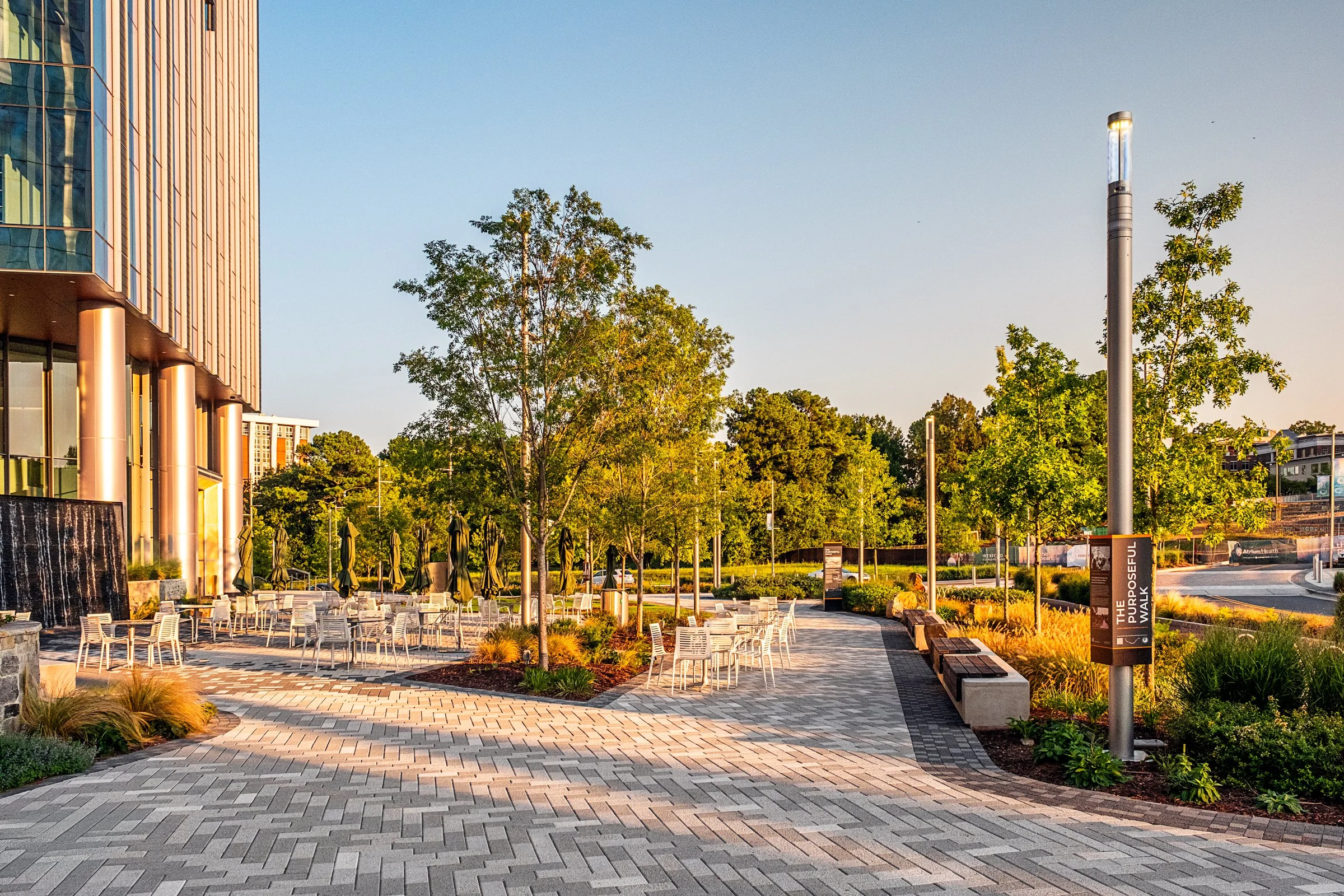
The Pearl Innovation District, on land once part of Charlotte’s Brooklyn neighborhood
Go Back and Get It
I kept returning to my question. What does a new place owe the people who were removed from it?
The Purposeful Walk emerged from a three-year collaboration with the community. One of its guiding ideas is expressed in a word: Sankofa.
Sankofa comes from the Twi language of Ghana's Akan people and is commonly translated as “go back and get it.” It asks us to return to the past, recover what it can teach us, and carry that understanding forward. The Gantt Center's guide to the Purposeful Walk places that idea at the center of the experience: learn from the past to inform the future.
At The Pearl, that act of return takes physical form.
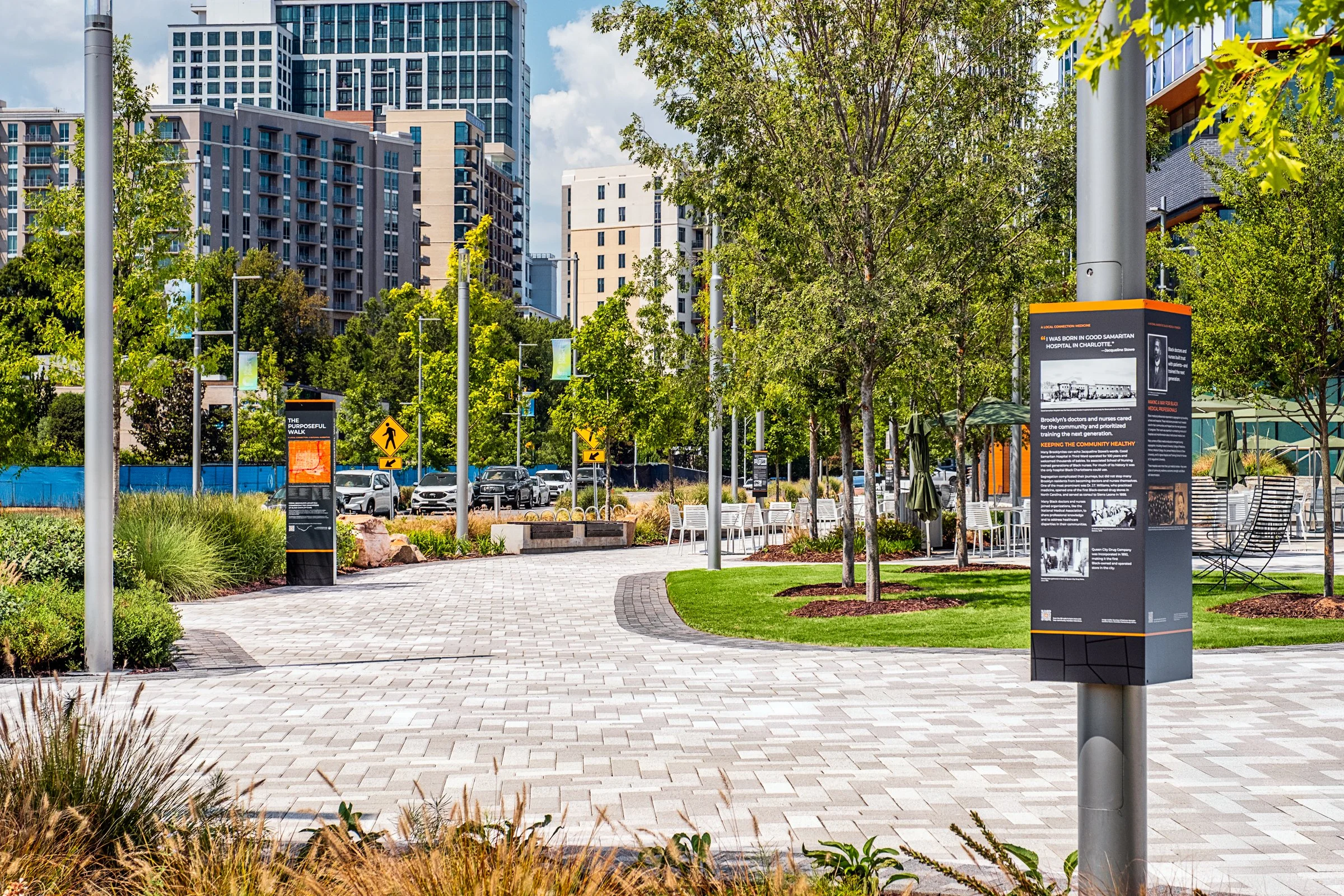
The Purposeful Walk carries Brooklyn's history through the new district. Developed with community participation, it brings former residents' memories into interpretive panels, recorded interviews, and places to pause. An overlapping map sets Brooklyn's former streets against the present landscape, helping visitors locate what redevelopment removed.
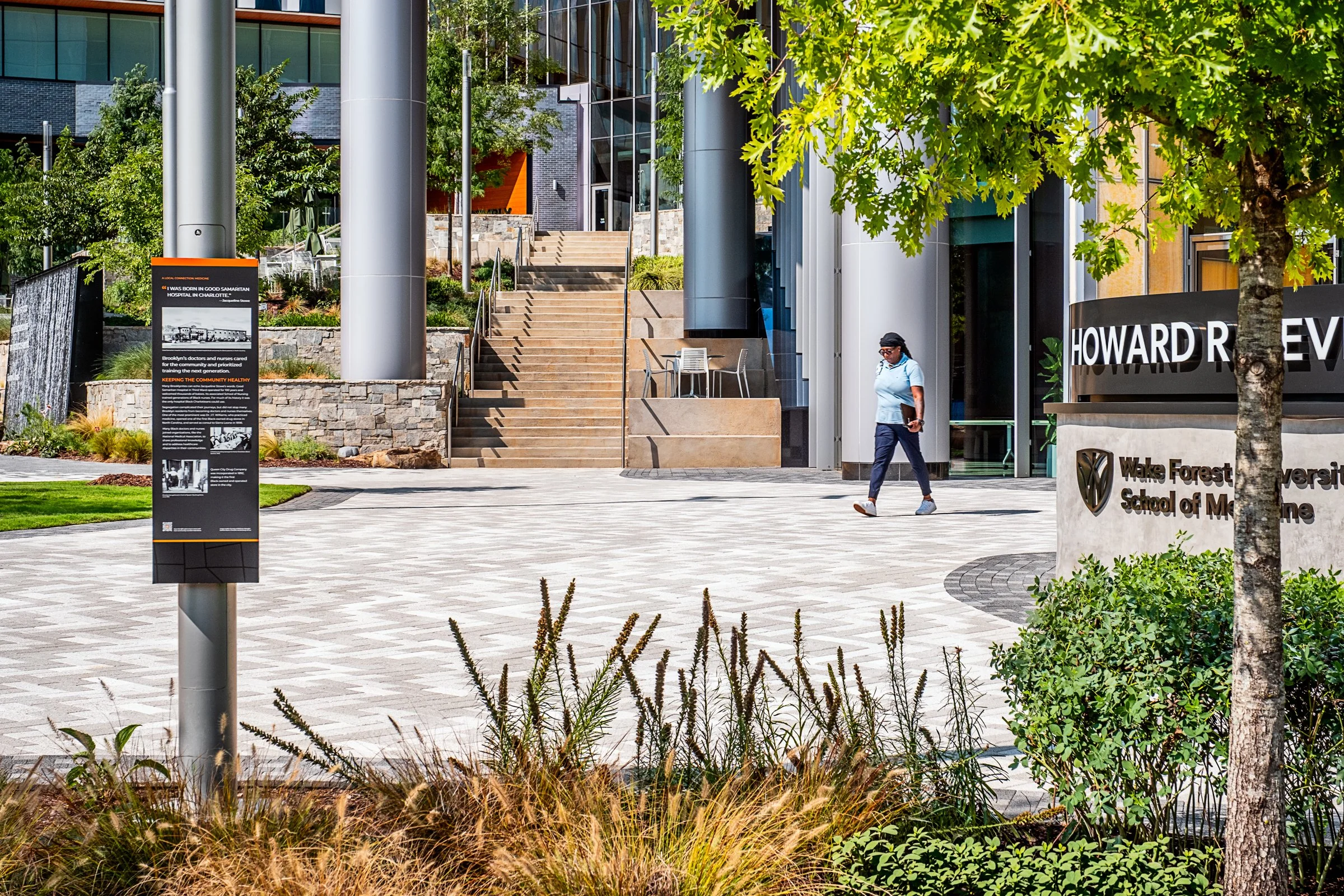
The stairs and terraced gathering spaces at the central plaza carry another connection. The plaza's tiered landscape draws inspiration from the exterior staircase at Myers Street School, remembered as Jacob's Ladder. The old school's steps became a symbol of the possibility education offered Black children. Here, that remembered form shapes the climb through a landscape beside a new medical school.
The residents' words matter within that design. In the oral histories shared through the Harvey B. Gantt Center's Purposeful Walk guide, Mary Louise Lightsey remembers childhood activities at Pearl Street Park, while Jacqueline Stowe recalls losing Brooklyn's schools and the difficult transition to schools on the west side. Their accounts give the history names, routines, and consequences. They also let the people who lived it speak for themselves.
I photographed at sunrise, early afternoon, and toward sunset, carrying the story with me as I watched the light move through the space. The changing light helped me decide when and from which angle to photograph each feature—the Purposeful Walk, Jacob's Ladder, and the signage that invites visitors into Brooklyn's history.
What a Name Can Hold
Kyle's pause stayed with me, along with the care he brought to our conversation. But a difficult truth remains: urban renewal uprooted families and fractured communities. Even with the best of intentions, no name can return a house on Pearl Street or reassemble a congregation.
Names such as Jacob's Ladder and the Purposeful Walk invite us to look back. A name is a small thing set against a large loss, but it can give us a way to remember, to connect, and to learn from what happened here.
The gesture is a refusal to forget. To me, it is a moral decision not to build as though the ground were empty.
The names ask something of visitors too: take time to read, to contemplate, to listen, and to recognize the lives that flourished here—the neighbors who carried cups of water out to the boys walking to practice.
The Question Still Walking
Built into the study of history is the hope that we learn from our mistakes. Brooklyn's story carries an echo in Charlotte's West End. After urban renewal, many Black families found homes in neighborhoods such as Seversville and Wesley Heights.
Today, redevelopment and concerns about the loss of affordable housing raise questions about whether longtime West End residents can stay. The circumstances differ. The pressure rhymes.
Can families share in the improvements to their neighborhoods without losing their place in them?
I made my last frames about thirty minutes before sunset. After packing up, I sat in my car to cool down from the blistering heat and reflect on the day. When I looked up, I saw thirty or so Black women walking along the Purposeful Walk.
They varied in age, were smiling, and seemed to be enjoying each other's company.
The small wooden houses that once lined Pearl Street are gone. Nearby, a new stair remembers a school.
The question does not disappear when construction ends. It follows us into every neighborhood, into every decision about what is worth keeping.
What does a new place owe the people who were removed from it?
