
What We Save It As: On Preservation, Beauty, and the Stories That Slip Away
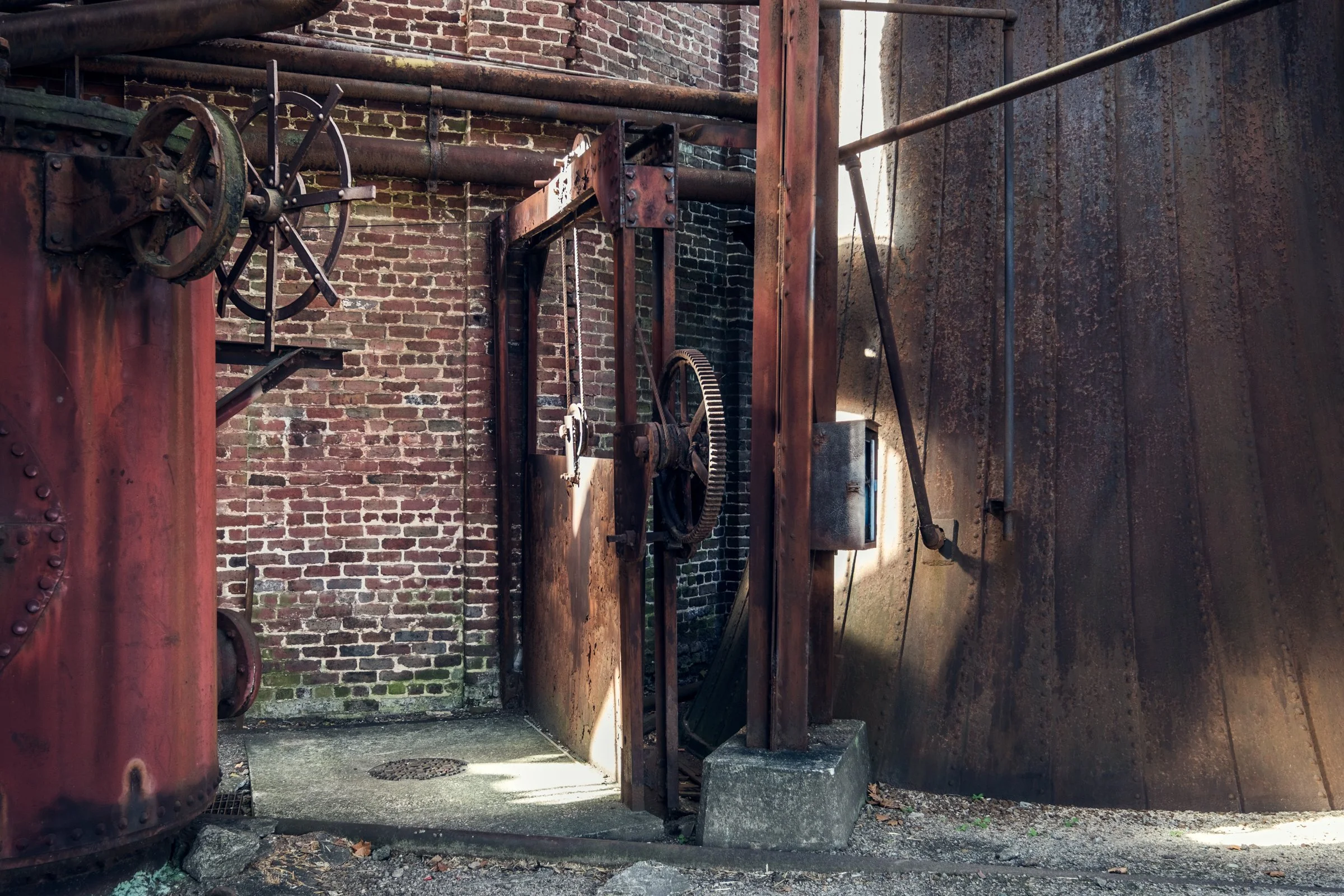
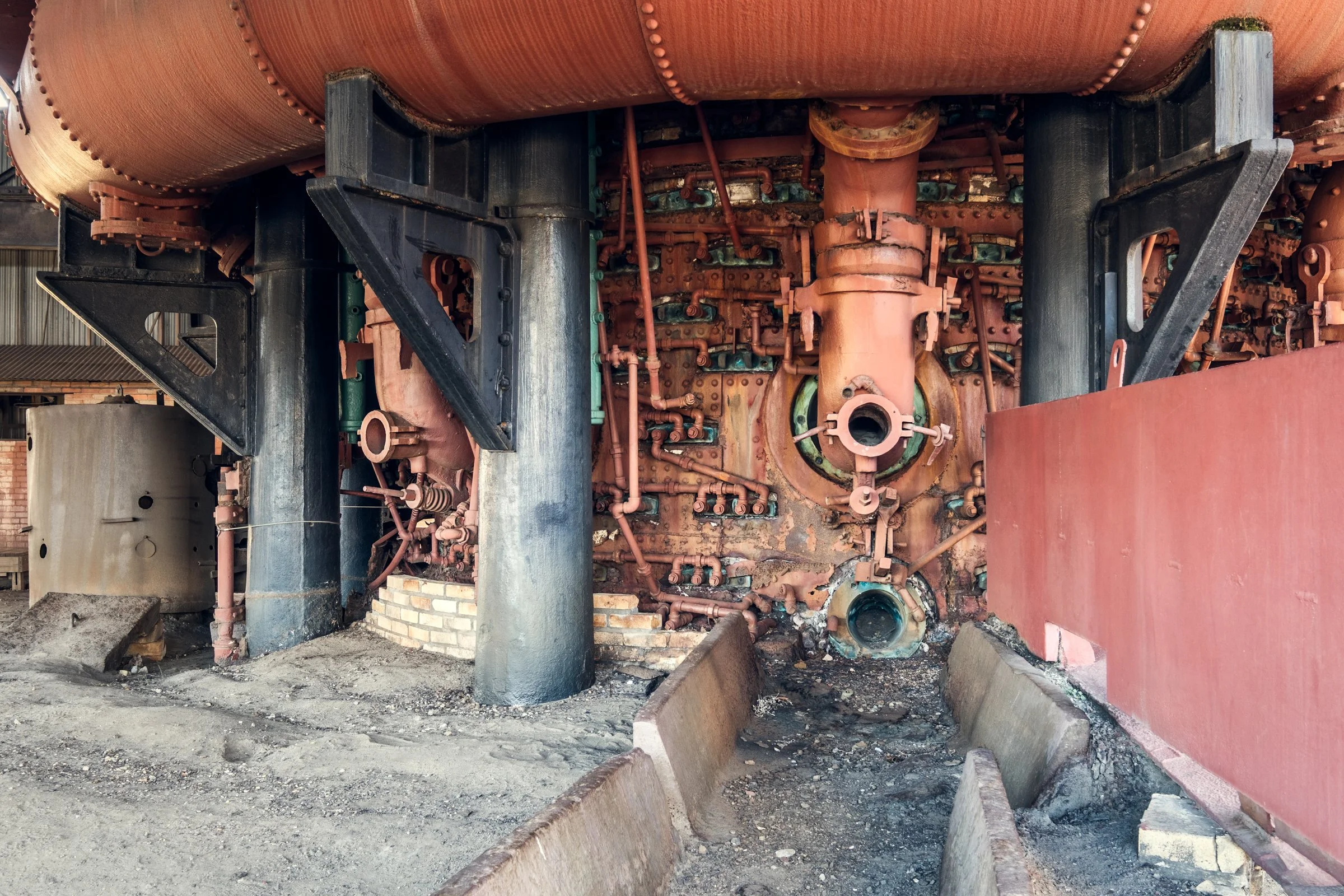
Sloss Furnaces, AL
In 1971, Sloss Furnaces shut its doors for good.
Nearly a century of industrial production went quiet — the furnaces cooled, the workers disappeared, and the future of the site became uncertain. Like many aging industrial landmarks across America, demolition seemed entirely possible.
But imagine a Birmingham where future generations grew up with little understanding of how Sloss helped shape their city. Imagine passing those massive iron structures without knowing the labor, sacrifice, ingenuity, and human ambition that once animated them. Imagine a community slowly losing touch with the story of how its identity was forged.
What happens to a culture when it forgets the places that formed it?
How does forgetting shape what people value, how they relate to their community, and how they understand themselves within the larger story of a place?
We often speak about preservation as if it were neutral — as if historic sites simply survive the passage of time and faithfully present the past exactly as it was. But preservation is never passive. Every preserved place is, in some way, an interpretation. What remains standing, what is restored, what is emphasized on tours, what is written on plaques, what is left unsaid — these are not accidental outcomes. They are decisions.
Behind every historic site are curators, historians, institutions, donors, preservation boards, and local governments — people tasked not only with saving physical structures, but with shaping the narrative surrounding them. And narratives require choices.
At Sloss Furnaces, one of those choices involved acknowledging the site's connection to convict leasing — a brutal system that emerged after the Civil War and exploited incarcerated Black labor throughout the South. The decision to partner with the Equal Justice Initiative and publicly mark that history was not inevitable. It was intentional. Another board, another generation, or another set of cultural pressures might have chosen differently — focusing exclusively on industrial innovation, economic growth, or architectural preservation while leaving more difficult histories in the shadows.
Once we recognize that preservation involves perspective, we begin to ask deeper questions — not only about what has been saved, but about how it has been framed. Historic sites are not frozen windows into the past. They are ongoing conversations between memory, culture, and power. And like all conversations shaped by human beings, they carry both insight and limitation.
To acknowledge this is not to diminish preservation work. In many ways, it deepens it. It reminds us that preserving a place is not simply about protecting brick, steel, or stone.
It is about continually wrestling with how a community chooses to remember itself.
What Beauty Does
But remembering is not neutral either. The moment a place is preserved for visitors, it becomes something else — an experience, shaped by every decision about what to show and how to show it.
And so the question quietly emerges: what happens when history is presented with beauty in mind?
Not simply preserved — but aesthetically curated. Transformed into an experience people seek out not only for understanding, but for emotional resonance.
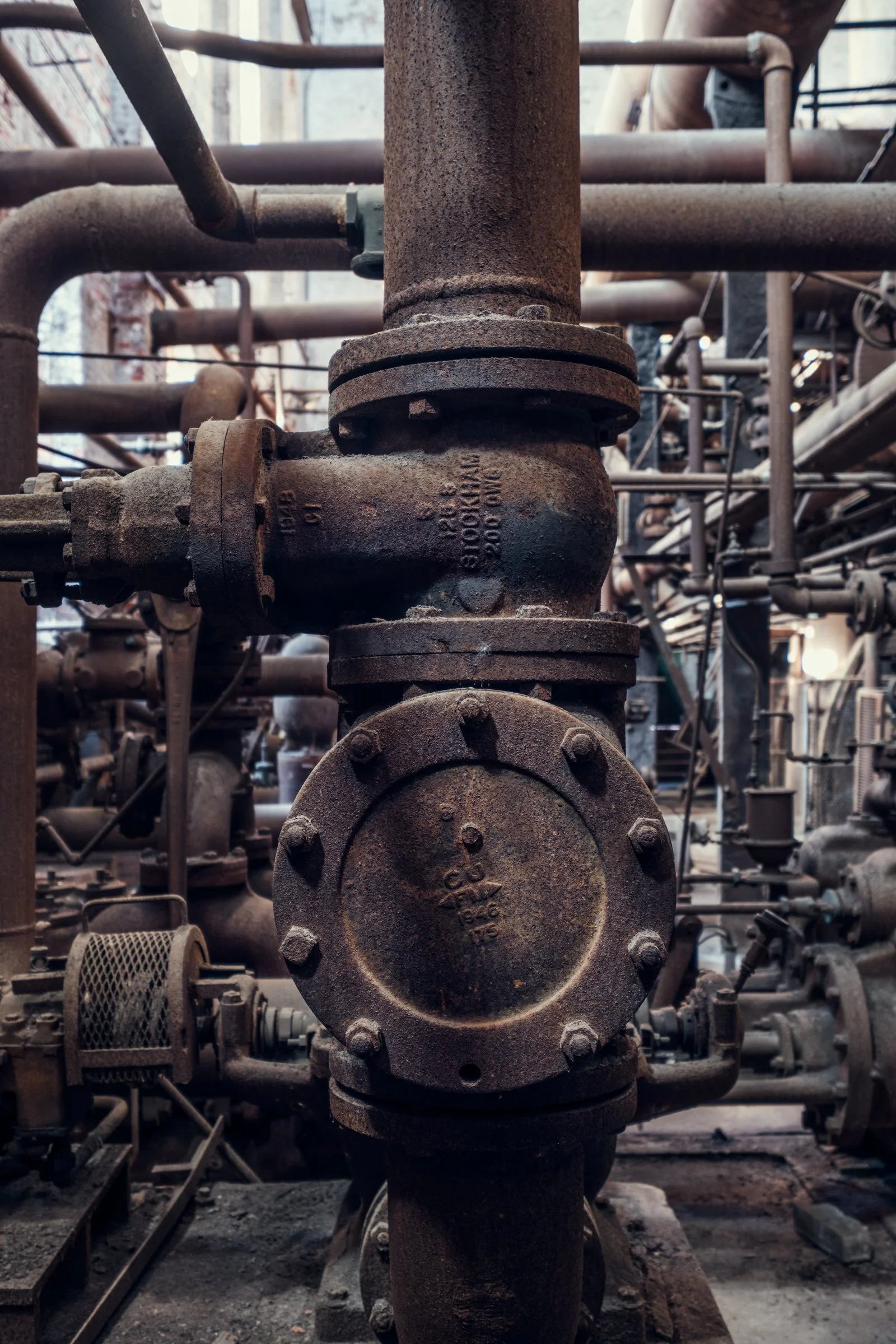
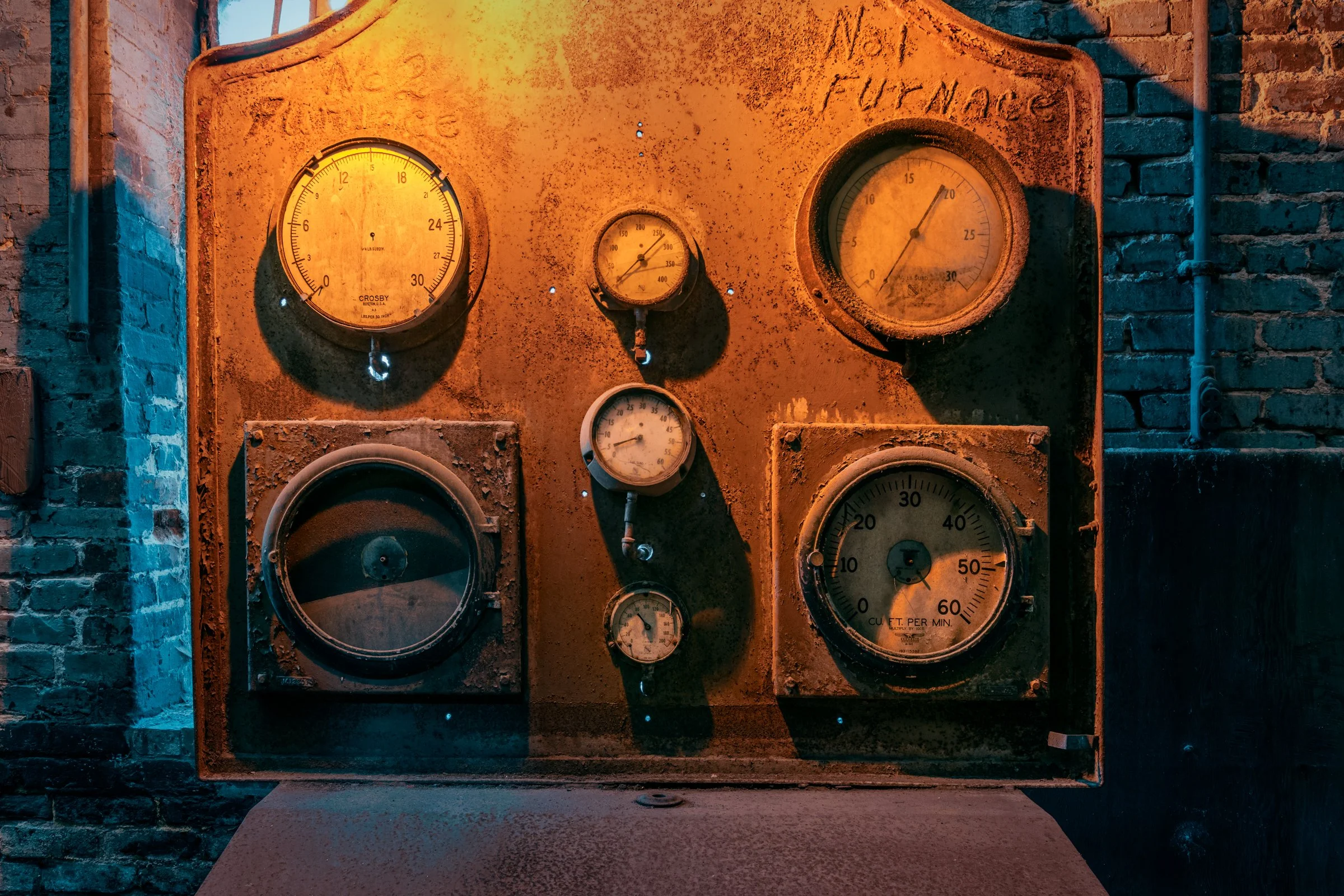
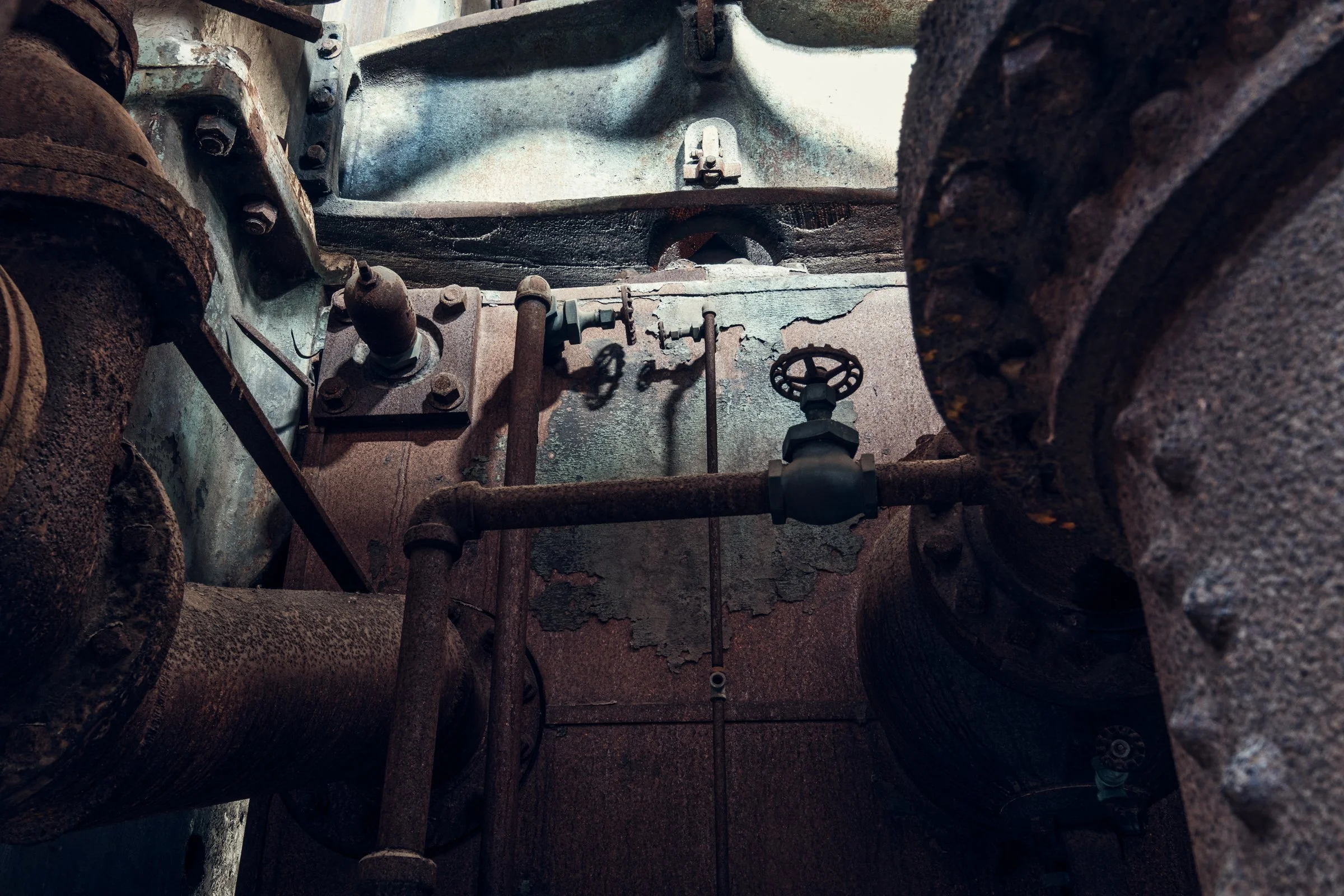
Beauty has power. It draws us in, softens resistance, creates emotional accessibility. In many cases, that beauty becomes the very reason a place survives at all. The towering industrial forms of Sloss Furnaces possess a strange grandeur now — rusted steel rising against Southern light like the ruins of an American cathedral. Bonaventure Cemetery feels almost dreamlike beneath its live oaks and Spanish moss. Even spaces designed to confront painful histories, such as Whitney Plantation, guide visitors through carefully considered emotional and spatial experiences. Lighting, landscape, narrative pacing — all of it shapes encounter as deliberately as any structural restoration.
Even honesty itself can be curated into an emotional arc.
When a historic site becomes beautiful enough to visit, does beauty itself risk becoming a kind of distortion?
Not because beauty is dishonest. But because aesthetic experience can sometimes create the feeling of reconciliation before reconciliation has actually occurred. A restored building can feel complete. A moving visitor experience can create the quiet sense that something has been resolved simply because it has been acknowledged well.
But history does not disappear because it has been framed beautifully. The suffering connected to a place is not absolved by elegant preservation or emotional resonance alone.
Perhaps this is one of the great tensions within preservation work: how do we invite people into difficult histories without softening them into something too consumable? How do we preserve beauty without allowing beauty to anesthetize memory?
There are no easy answers. Nor should there be.

Whitney Plantation, LA
When Preservation Chooses Honesty at Cost
If some historic sites risk softening history through aesthetic experience, others move in the opposite direction entirely. They resist comfort. They refuse reconciliation as atmosphere. And in doing so, they reveal that preservation itself can become an act not merely of remembrance, but of moral clarity.
Whitney Plantation feels fundamentally different from many preserved historic sites in the American South. The landscape is beautiful in the way Louisiana often is — live oaks stretching over open ground, light filtering across fields shaped by centuries of labor and suffering. But the experience itself does not seem designed to soothe the visitor.
It asks something harder.
The Whitney does not center the architectural elegance of plantation life. It does not romanticize the South through nostalgia, grandeur, or gentility. Instead, it deliberately places the lives of the enslaved at the center of the narrative.
That choice matters. For generations, many plantation museums across the South preserved the homes, the furniture, the wealth, and the aesthetics of antebellum life while minimizing the violence that made such beauty possible. The enslaved were often pushed to the periphery of the story — present, but not central.
The Whitney chose otherwise.
The story of Charles Deslondes is not softened. The realities of slavery are not wrapped in sentimental language or hidden behind ornamental architecture. The site does not appear interested in helping visitors leave feeling emotionally resolved. If anything, it preserves tension.
And that, too, is a curatorial decision — just as deliberate as restoring a furnace, conserving a facade, or funding a museum wing.
The Whitney demonstrates what preservation can look like when a site refuses the aesthetics of absolution — when it chooses confrontation over comfort, witness over nostalgia.
And yet, even here, the story remains mediated through human hands. The pathways are designed. The exhibits are arranged. The emotional arc is still guided. Even honesty is framed — not falsely, but intentionally.
Perhaps that is the deeper realization slowly emerging beneath all historic preservation work: there is no completely unfiltered encounter with history. Every preserved place carries perspective. Every act of remembrance involves selection, emphasis, and narrative structure.
The question, then, is not whether a place is curated. The question is what the curation is asking us to feel, to confront, and ultimately, to remember.
Colonial Park Cemetery, AL
What Erasure Looks Like
And then there are places where history does not disappear all at once — not through demolition, not through deliberate destruction, but gradually, quietly, almost without anyone noticing.
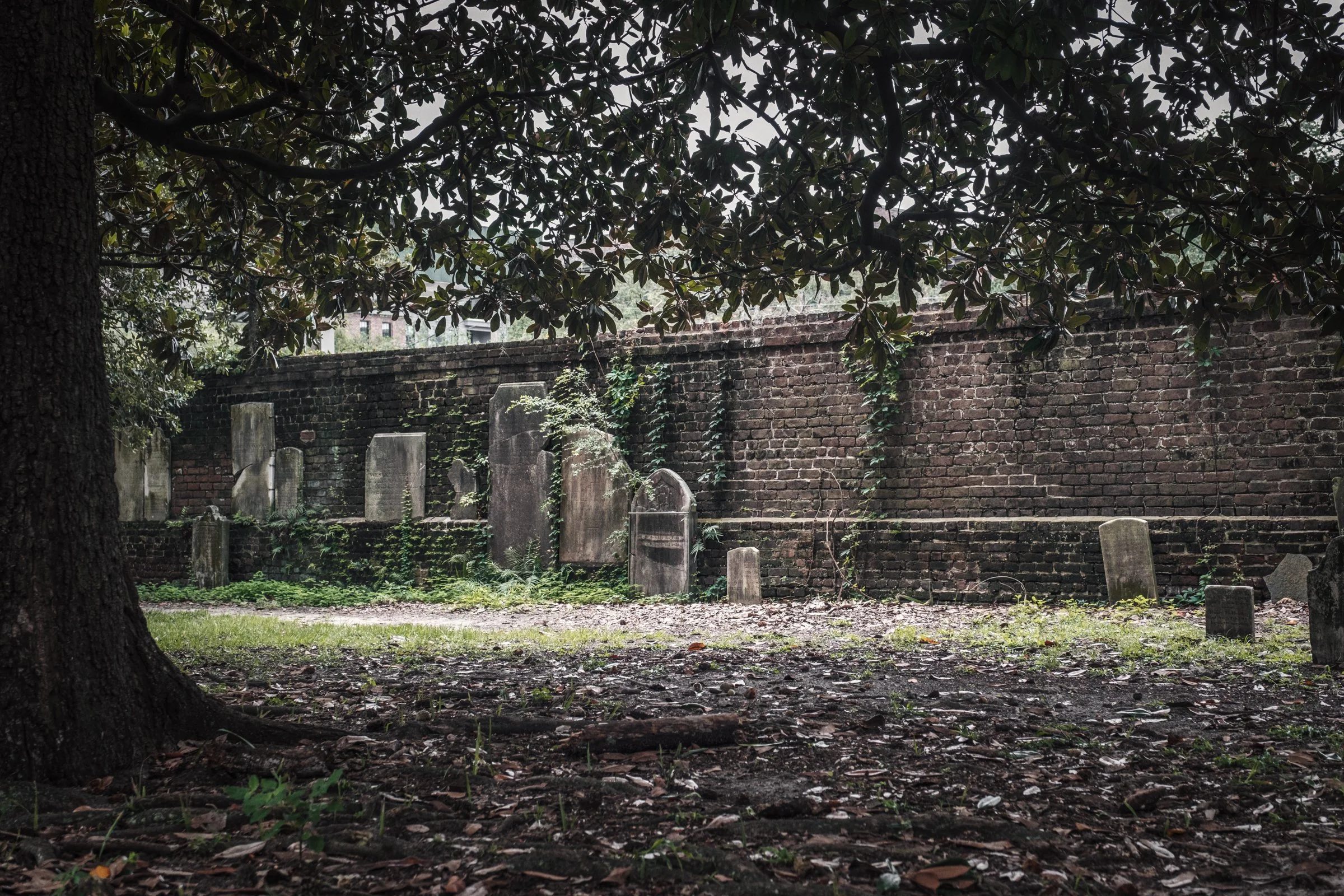
Colonial Park Cemetery rests beneath the movement of modern Savannah like a memory struggling to remain audible. Live oaks stretch overhead. Light settles softly across the grounds. Visitors wander the pathways, pausing occasionally beside tilted stones worn smooth by rain, heat, and time.
Some names remain visible. Others do not. Entire lives now sit beneath markers too eroded to read.
Thousands are buried there. Many without identification. Some displaced by neglect, development, vandalism, or simple passage of time. The cemetery still exists. It has, in one sense, been preserved.
And yet something essential has still been lost.
Not dramatically. Not maliciously. Just gradually — through underfunding, shifting priorities, environmental wear, and the quiet human tendency to let difficult things recede.
This is what erasure often looks like. Not violence, but indifference accumulated over generations. A story not actively denied, but insufficiently protected.
Forgetting is also a curatorial act — not one made through declaration, but through omission. Through what is left unmaintained. Unfunded. Unspoken. Unnamed.
At Colonial Park, the silence feels heavier because of this. The place does not argue. It simply remains.
Weathered stones. Fading inscriptions. Names slipping slowly beyond recovery.
A reminder that memory does not disappear only when people destroy it. Sometimes memory disappears because no one held onto it tightly enough.
The Preservationist's Dilemma
And this is where the conversation becomes more difficult.
Because the people tasked with preserving these places are rarely operating with unlimited freedom, resources, or certainty. Historians, preservationists, curators, local boards, donors, and civic leaders often carry the burden of impossible decisions — navigating economic realities, political pressures, tourism demands, and public sentiment simultaneously.
A historic site that tells a story perceived as too uncomfortable may lose visitors. It may lose donors. It may lose the political support required to survive at all. A site that softens its history may remain open. A site that confronts too much may struggle to endure.
This is not a simple moral failure. It is a genuine dilemma — one many preservationists navigate with sincerity, care, and deep internal conflict. Because preserving difficult history requires more than honesty. It requires infrastructure, funding, public will, and cultural courage.
And yet, as I rounded the corner and encountered the 63 heads mounted on stakes at Whitney Plantation, I felt a deep sadness settle within me—a quiet anguish that human beings could inflict such brutality upon one another.
The installation memorializes the aftermath of the 1811 German Coast Uprising, the largest slave revolt in United States history. Artist Woodrow Nash created the ceramic heads to confront visitors with the violence that followed the rebellion and the lives that were brutally extinguished.
And still, the question lingers:
If a place survives by softening its truth, is it still fully serving the people whose story it claims to preserve?
There is no clean answer. Only the uncomfortable reality that remembrance itself is fragile — and that every preserved place exists somewhere between truth, survival, interpretation, and silence.
Near the edge of Colonial Park Cemetery sits a stone so weathered its inscription has nearly vanished.
At some point, someone stood there grieving. Someone knew the name carved into it. Someone believed that name mattered enough to preserve in stone.
Now the letters are almost gone.
Rain softened them. Time carried them away. Generations passed. The grave remains, but the person beneath it drifts further from memory with each passing year.
Standing there, it becomes difficult not to wonder if preservation is far more fragile than we often admit.
We speak often about saving places. But places are made of stories. And stories are carried by names.
When the names disappear — slowly, quietly, without ceremony — what exactly have we saved?
