
Seven Questions to Ask Before Visiting Any Historic Site: A framework for deeper engagement

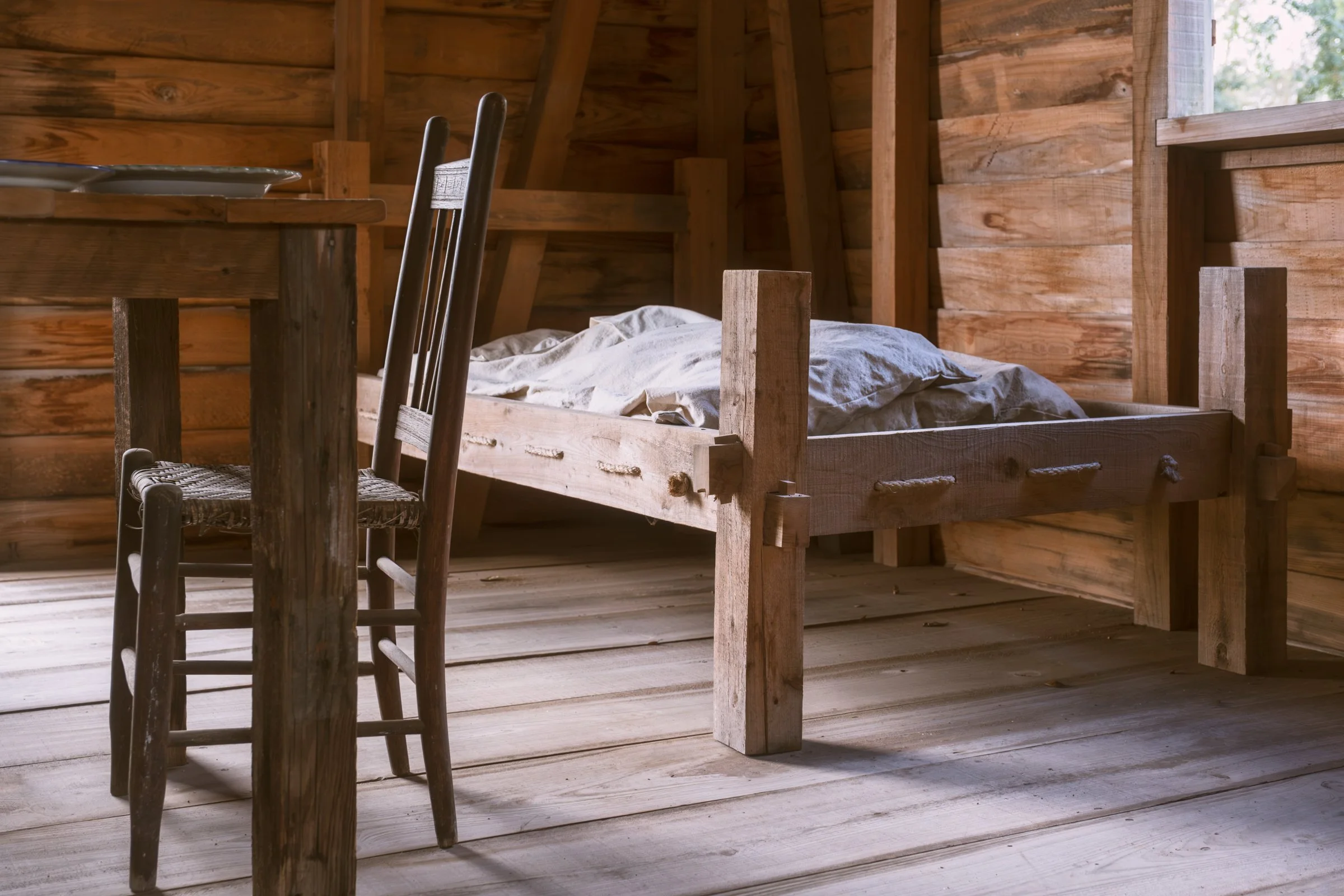
Whitney Plantation, LA
Your trip is booked.
Somewhere between scrolling, planning, and imagining, you've chosen a place that calls to you. A historic site. Perhaps it's close to home. Perhaps it requires greater effort to reach.
But before you arrive, there is an opportunity.
Not just to visit — but to prepare. To enter not as a passive observer, but as someone willing to engage. To ask questions. To listen for responses. To reflect on what you are supposed to learn.
Historic places are not simply destinations. They are containers of human experience — of beauty and innovation, yes — but also of failure, conflict, suffering, and resilience.
And if we approach them with intention, they offer something rare: the ability to step outside of ourselves and, in doing so, see ourselves more clearly.
Not only to learn what happened — but to ask:
What does this reveal about human nature?
And what does it reveal about me?
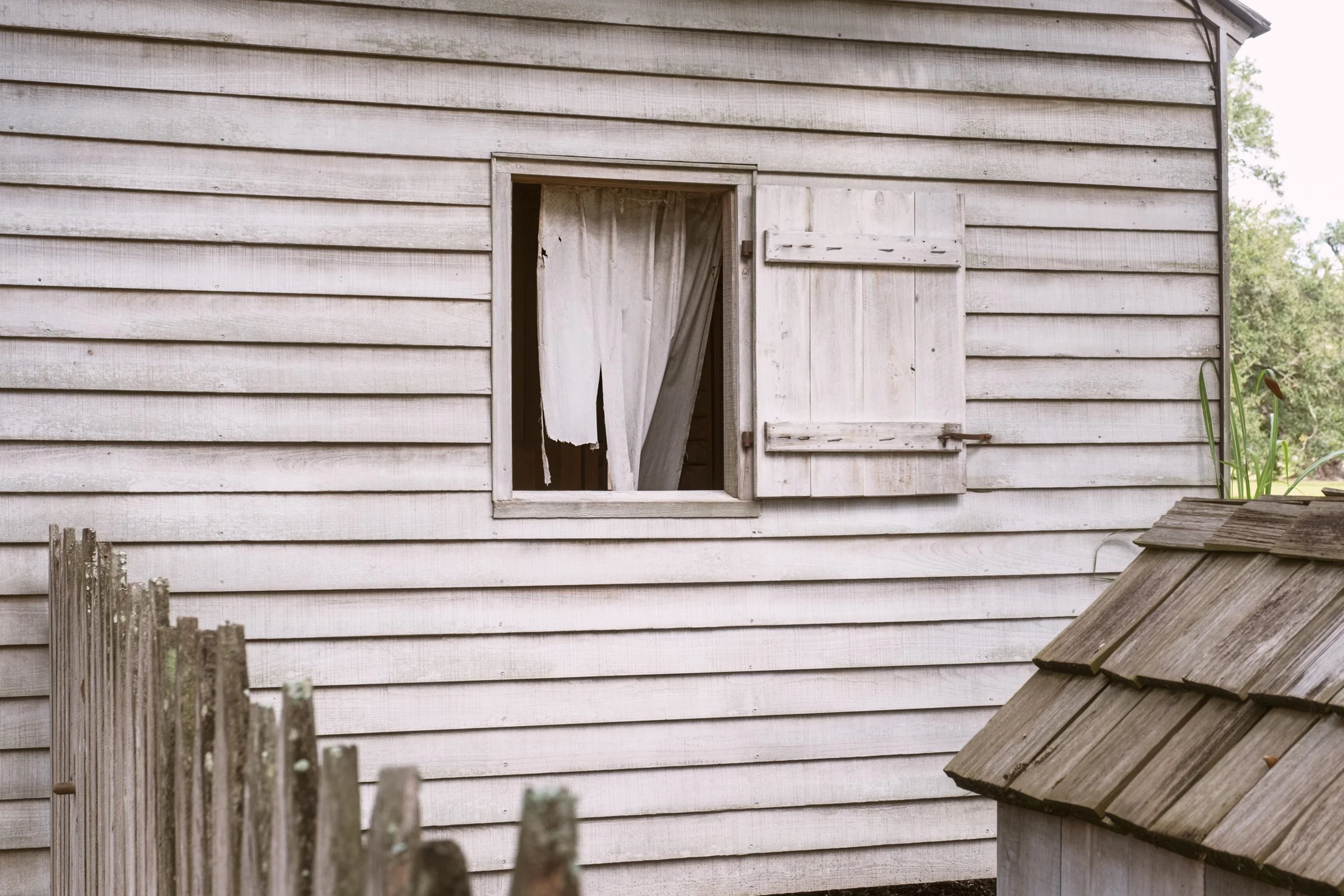
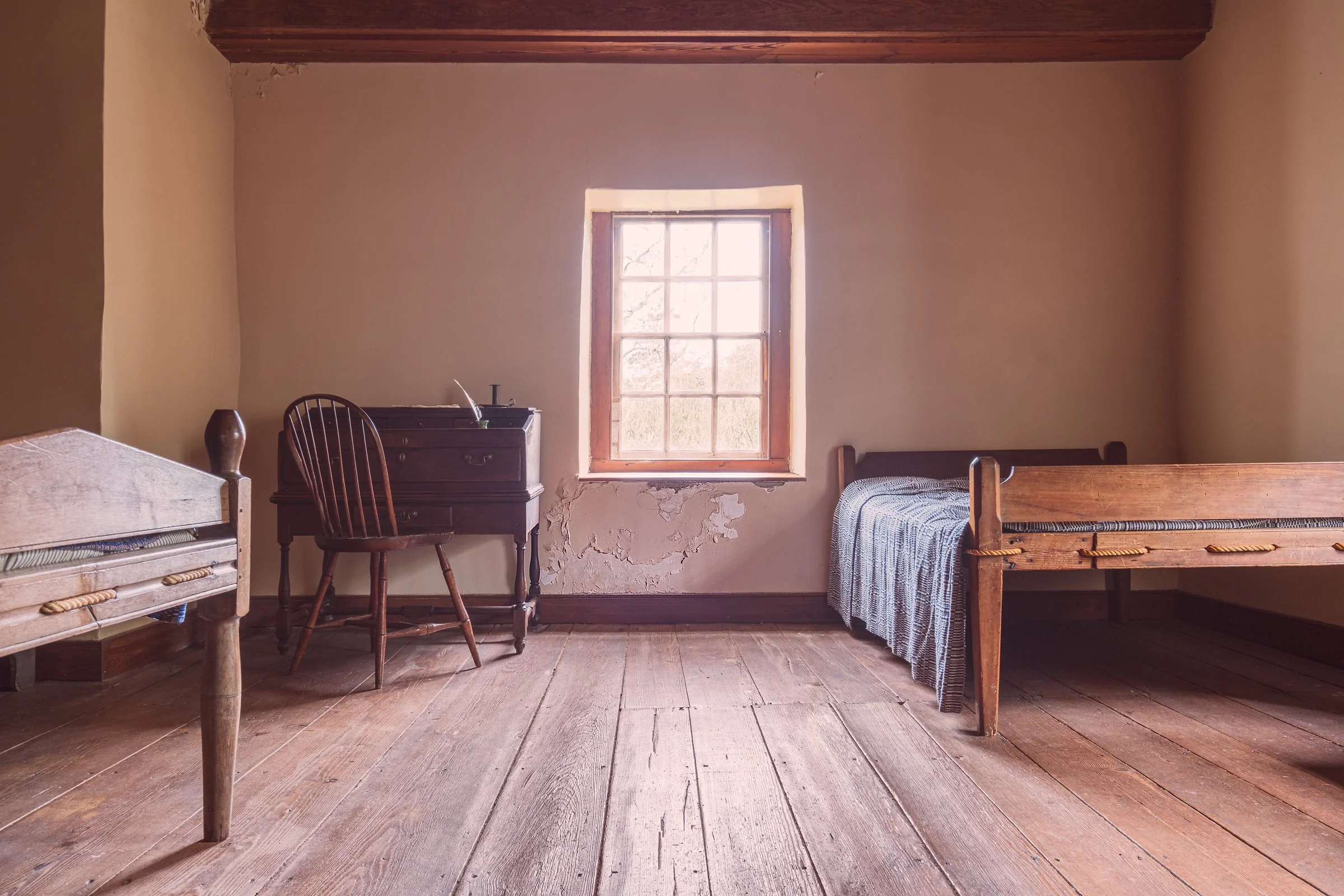
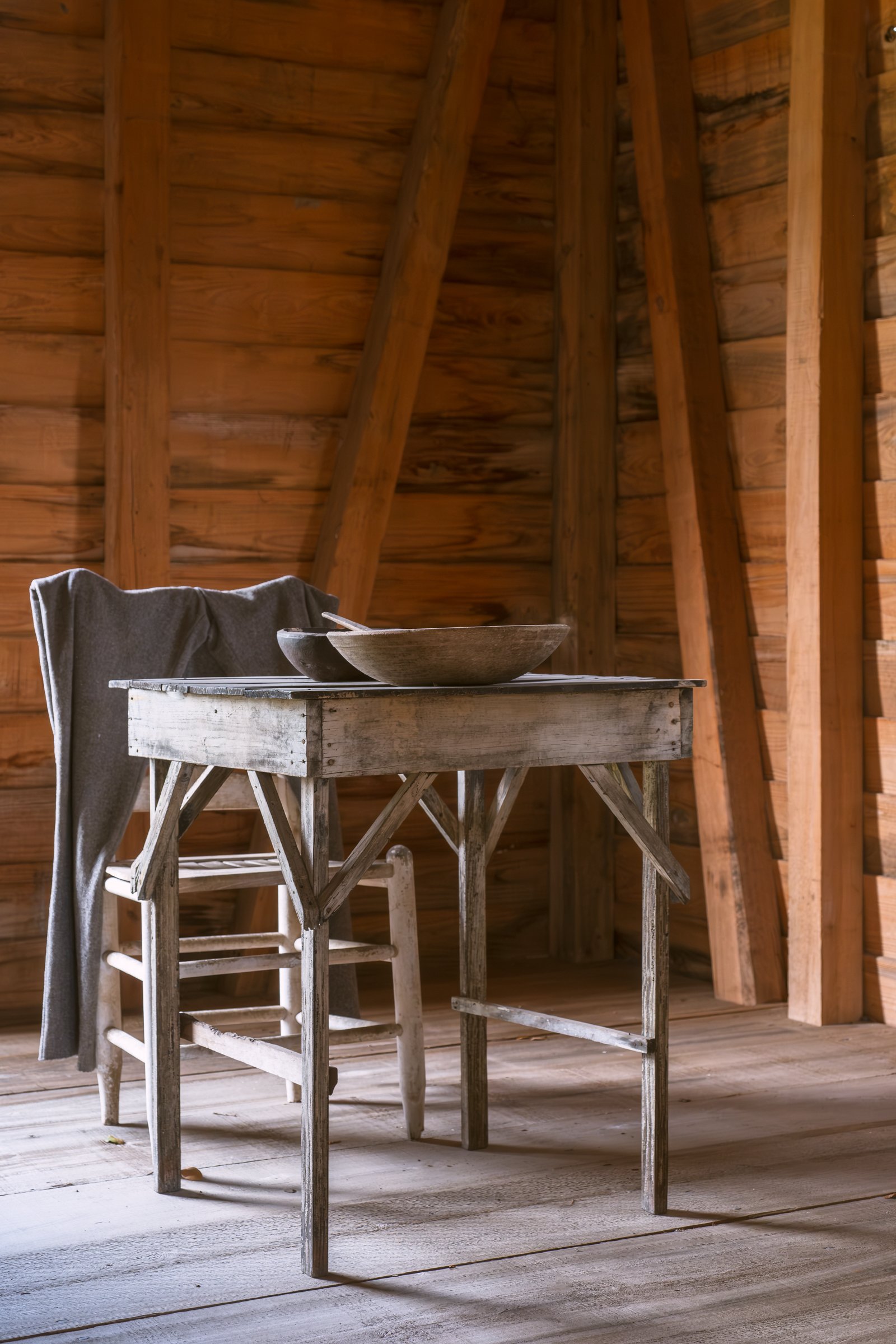
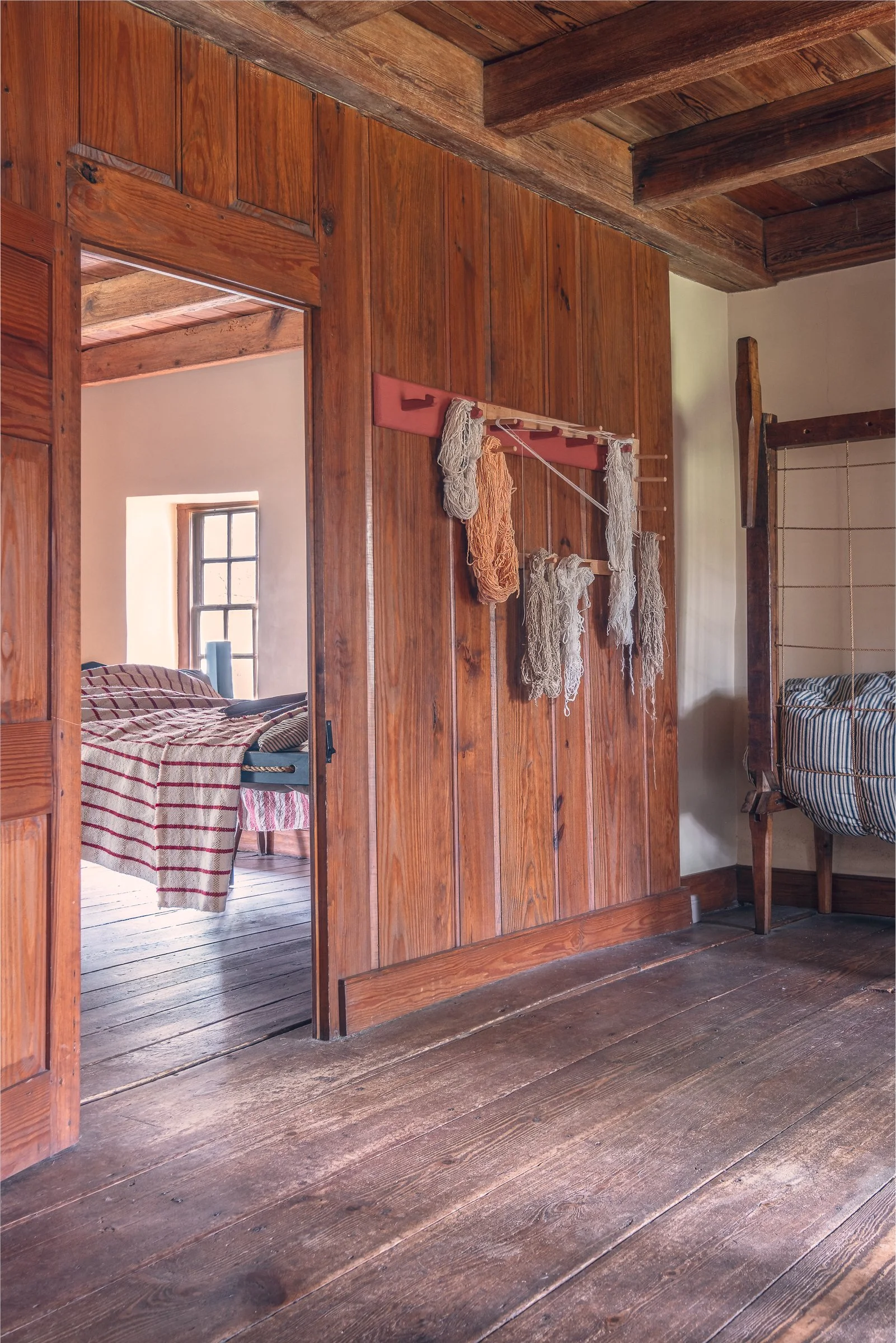
I learned this firsthand the evening before I spent a morning photographing at the Whitney Plantation in Louisiana.
The day before had been rainy and brisk. I toured the grounds and listened as the history of the place was laid before me in careful, unflinching detail. Among the stories I encountered was that of a man named Charles Deslondes — born around 1780, executed in January 1811.
An enslaved man who helped organize and lead the German Coast Uprising, widely recognized as the largest slave revolt in United States history. On January 8th, he and hundreds of enslaved people marched toward New Orleans before the rebellion was violently suppressed. He was captured and executed without trial — his hands severed, his body burned alive. In the aftermath, the heads of more than one hundred executed rebels were displayed on pikes for miles along River Road as a warning to those who remained.
I sat with that.
When I raised my camera the next morning, the weight of what I had learned moved through every frame — opening my eyes, and my heart, to the enduring reality of what had been perpetrated in that place. I was no longer simply photographing a historic site. That knowledge motivated every composition and creative decision I made that day.
That is what preparation makes possible.
In the end, perhaps the greatest value of visiting a historic site is not what we see — but how we are changed by what we come to understand.
Why This Matters
To understand history — especially the moments where humanity faltered — is to confront a difficult truth: under the right circumstances, would we be capable of malicious intent? Probably more than we would like to admit.
Different time. Different place. Different pressures. Different values. This equals different behaviors.
We must ask: would we have acted differently?
Historic sites give us a rare opportunity to wrestle with that question — not abstractly, but grounded in real lives, real decisions, and real consequences. And in doing so, they invite us into a more honest, more responsible way of moving through the world today.
A Framework for Deeper Engagement
These questions are simple primers to get the imagination and contemplative process moving. They are meant to guide — to help you move from a passive visitor to an engaged witness.
Oak Alley Plantation, LA
1. What draws me to this place?
Before anything else, pause and ask: why this place?
Is it curiosity? Aesthetic beauty? A story you've heard? A personal connection?
Understanding your motivation reveals what you are seeking — and often, what you are ready to receive.
2. What actually happened here?
Go beyond the surface.
What events unfolded? Who was involved? What were the conditions surrounding those events?
Resist the urge to simplify. History is rarely clean. It is layered, complex, and often uncomfortable.
3. Whose stories are being told — and whose are missing?
Every historic site is curated. Some voices are amplified. Others are minimized or absent entirely.
Ask yourself: whose perspective am I hearing? Who might be left out? And why could that be?
This question opens the door to a more complete — and more honest — understanding.
4. How would I have responded if I were there?
This is where the experience becomes personal.
Place yourself in the moment — not as you are today, but as someone shaped by that time, that culture, that pressure. What would you have seen? What would you have believed? What choices would you have made?
This question requires courage to be truthful. Sit with it.
5. What were the consequences of the actions taken here?
Every decision leaves a mark.
Who benefited? Who suffered? What changed because of what happened here?
This shifts the focus from event to impact — and impact is where history becomes real.
6. How did these events shape the lives of individuals and communities?
History is often told at a distance. But it was lived up close.
Families were affected. Communities were altered. Generations carried the weight of what happened in this place.
Bring it back to the human level. That is where understanding deepens.
7. What parallels exist between this place and our world today?
History is not isolated. Patterns repeat. Systems evolve. Human shortcomings persist.
Where do you see echoes of this today?
This question bridges past and present — and it is often the most unsettling, and the most necessary.
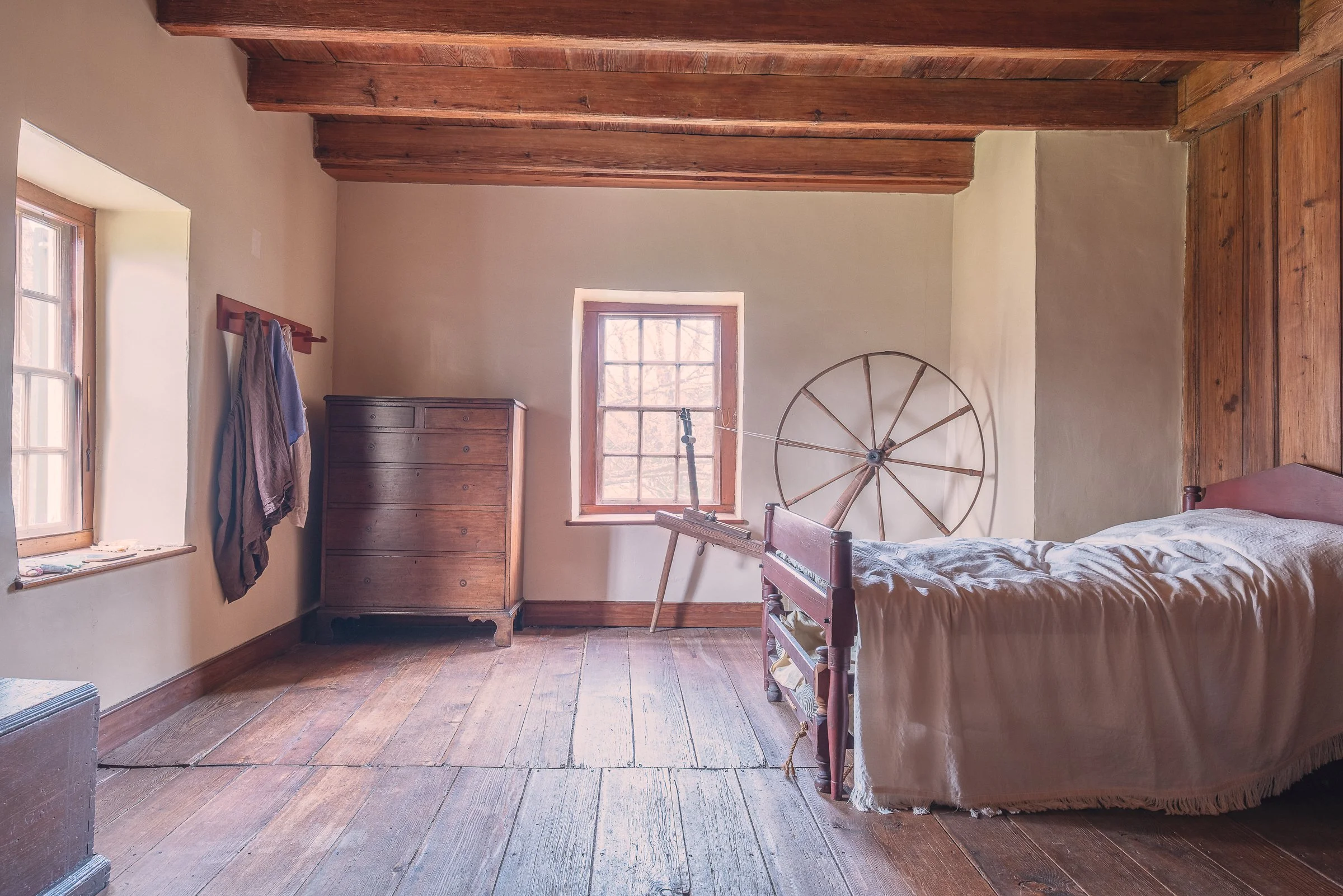
Hezekiah Alexander Home, NC
What We Carry With Us
There is one final question — one that belongs not before the visit, but after.
What responsibility do I carry now?
If your understanding has deepened, what follows? Does it change how you speak? How you act? What you pay attention to?
Historic places do not ask anything of us explicitly. But if we are paying attention, they quietly invite us to live with greater awareness — and greater care.
It is easy to visit a place. To walk through it, take it in, move on.
But to truly encounter a place shaped by history requires something more.
It requires sincere interest and a willingness to be changed by what we learn.
When we ask better questions, we begin to see differently. And when we see differently, we begin to live differently.
Historic sites are not just reminders of what has been. They are invitations — to reflect, to understand, to carry forward what we've learned with greater care.
Because the goal is not simply to know history.
It is to let history shape how we move through the present.
