
Why Parks Matter: The Soul of a City
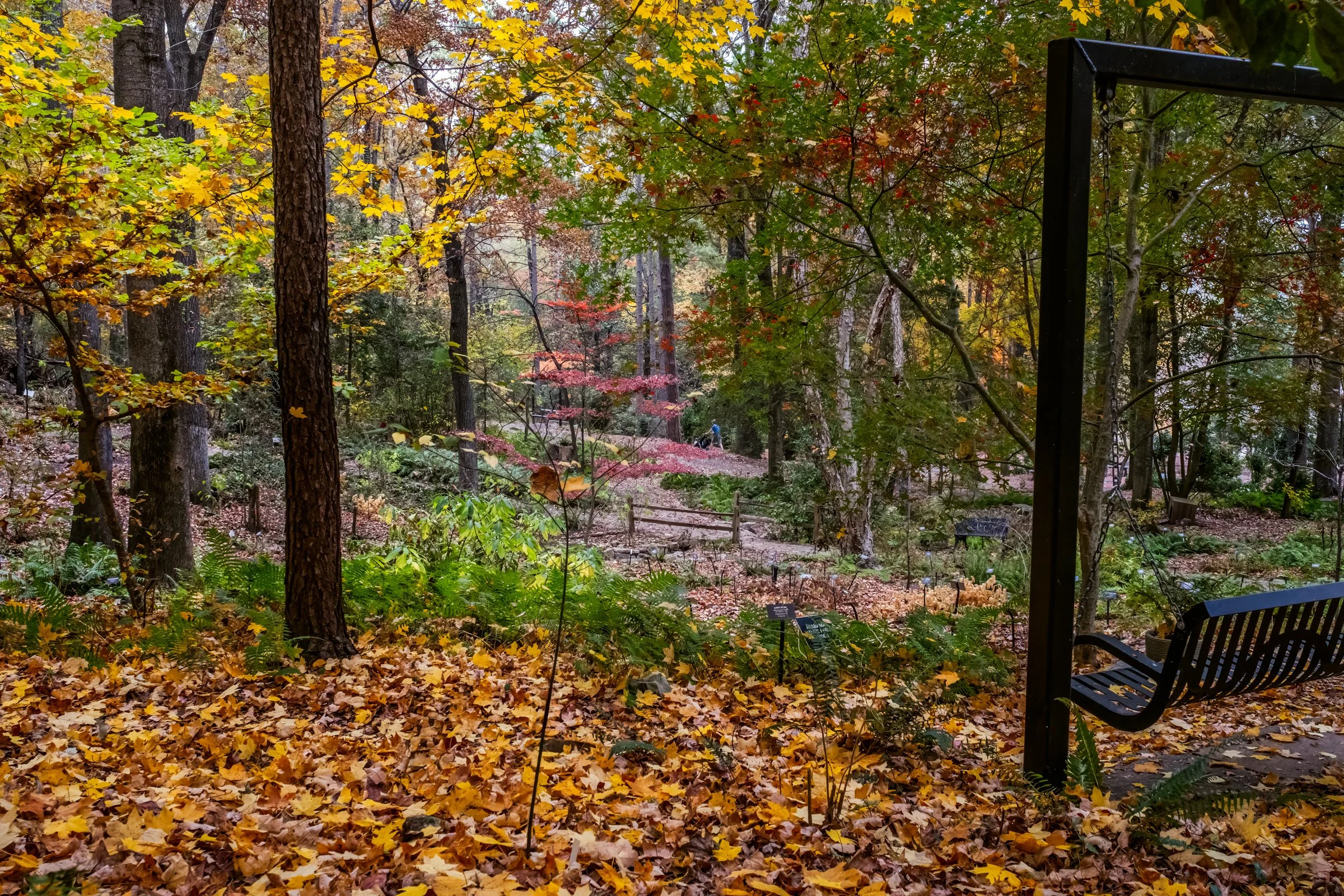
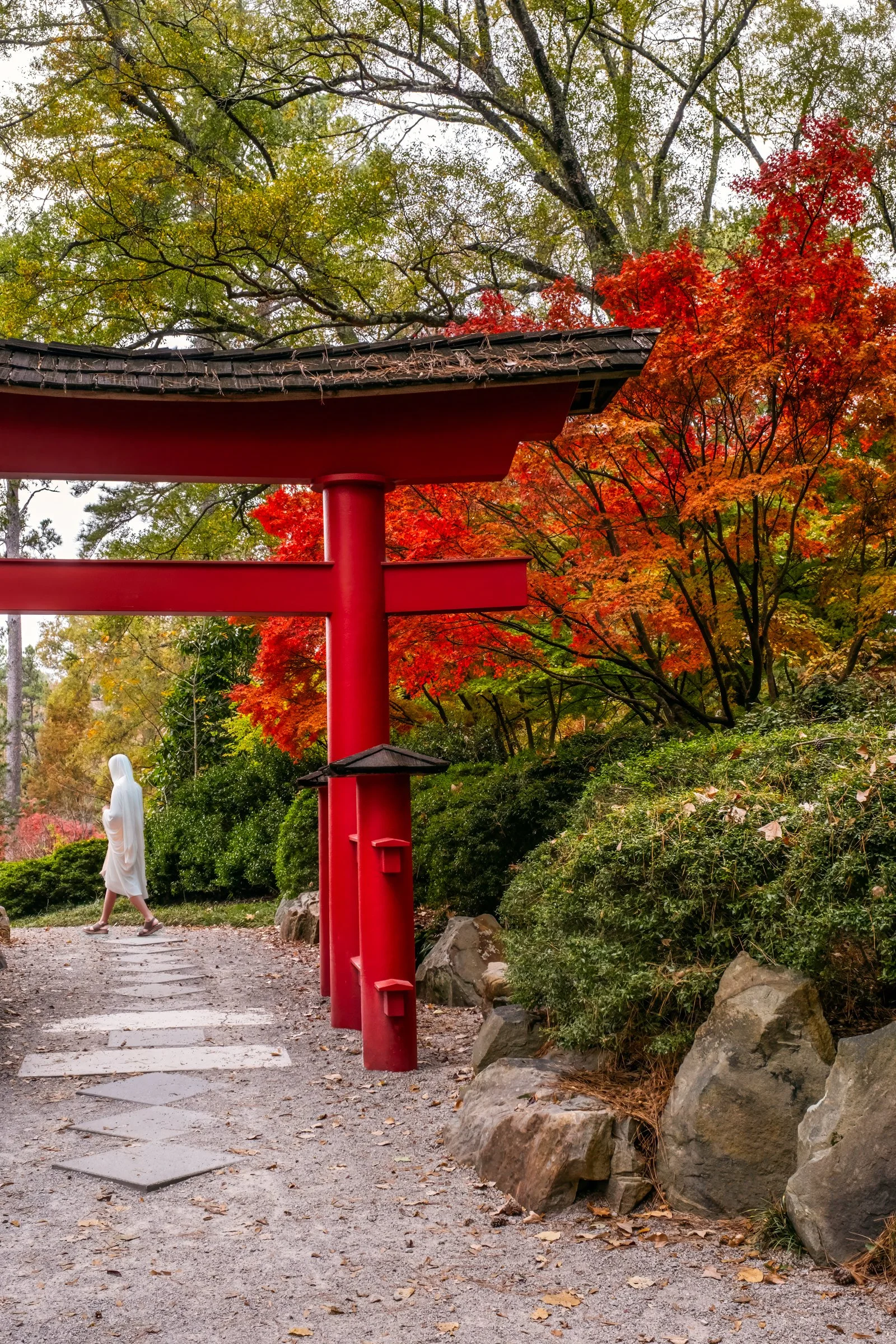
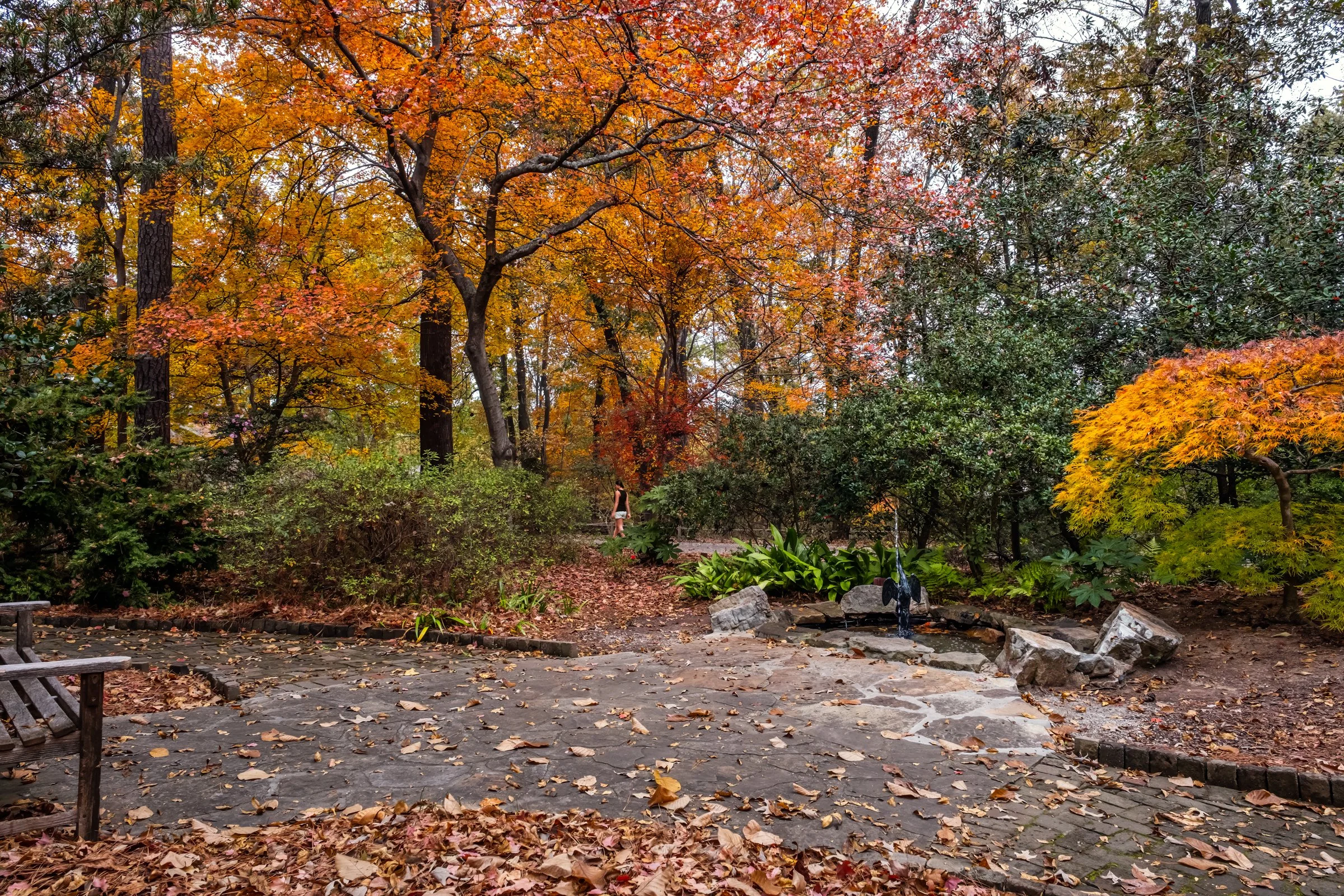
Birmingham Botanical Gardens
A city reveals what it values by what it preserves.
Parks and gardens are intentional acts of care—quiet declarations that a flourishing human life requires beauty, rest, and connection to the living world. They are not leftover spaces or decorative luxuries. They are places where cities pause, breathe, and remember what it means to be human.
Frederick Law Olmsted, often called the father of American landscape architecture, believed parks were "the lungs of the city." More than green relief from stone and steel, he understood them as vital civic spaces—places that nourish both body and soul.
In this article, I'll share five reasons parks and botanical gardens matter to urban communities, offer a brief history of how public green spaces emerged across cultures, and suggest five meaningful ways to experience a park or garden with greater intention.
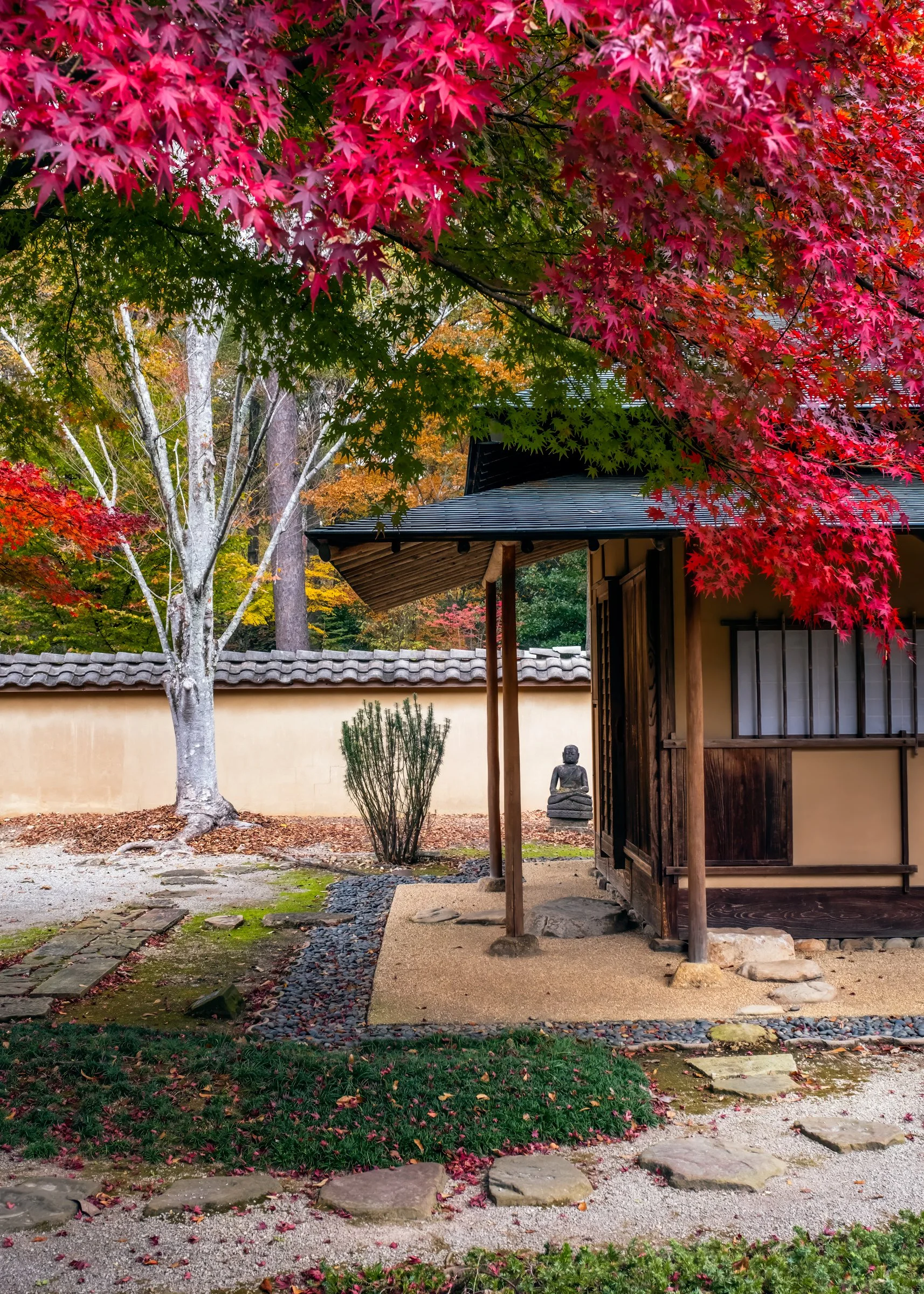
Five Reasons Parks & Botanical Gardens Matter to Cities
1. Public Health & Well-Being
Access to green space is consistently linked to reduced stress, improved mental health, and increased physical activity. Studies show lower rates of anxiety and depression among people who spend time in parks—particularly those who do so regularly.
In an increasingly fast-paced and overstimulated world, parks offer something rare: a place to slow down without expectation.
2. Environmental Resilience
Trees and gardens help cool cities through shade and evapotranspiration, reducing the urban heat island effect. Green spaces also manage stormwater, reduce flooding, and improve air quality.
Botanical gardens, in particular, play a critical role in plant conservation and biodiversity protection—quietly safeguarding species that might otherwise disappear.
3. Social Connection & Civic Life
Parks function as informal gathering places that cut across socioeconomic and cultural lines. They host daily rituals—morning walks, children at play, elders on benches—that knit communities together over time.
Cities cannot thrive without shared spaces, and parks remain among the most democratic environments we have.
4. Economic & Urban Value
Proximity to well-maintained parks is associated with higher property values and increased neighborhood stability. Parks attract tourism, support local businesses, and serve as venues for public events.
Importantly, they often cost cities far less than the long-term health and infrastructure expenses that result from neglecting public well-being.
5. Education, Culture, and Stewardship
Botanical gardens operate as living classrooms, offering hands-on learning about ecology, climate, and conservation. Parks preserve local history, native landscapes, and cultural memory.
Over time, they cultivate something deeper: a sense of responsibility for the land we inhabit and the communities we share.
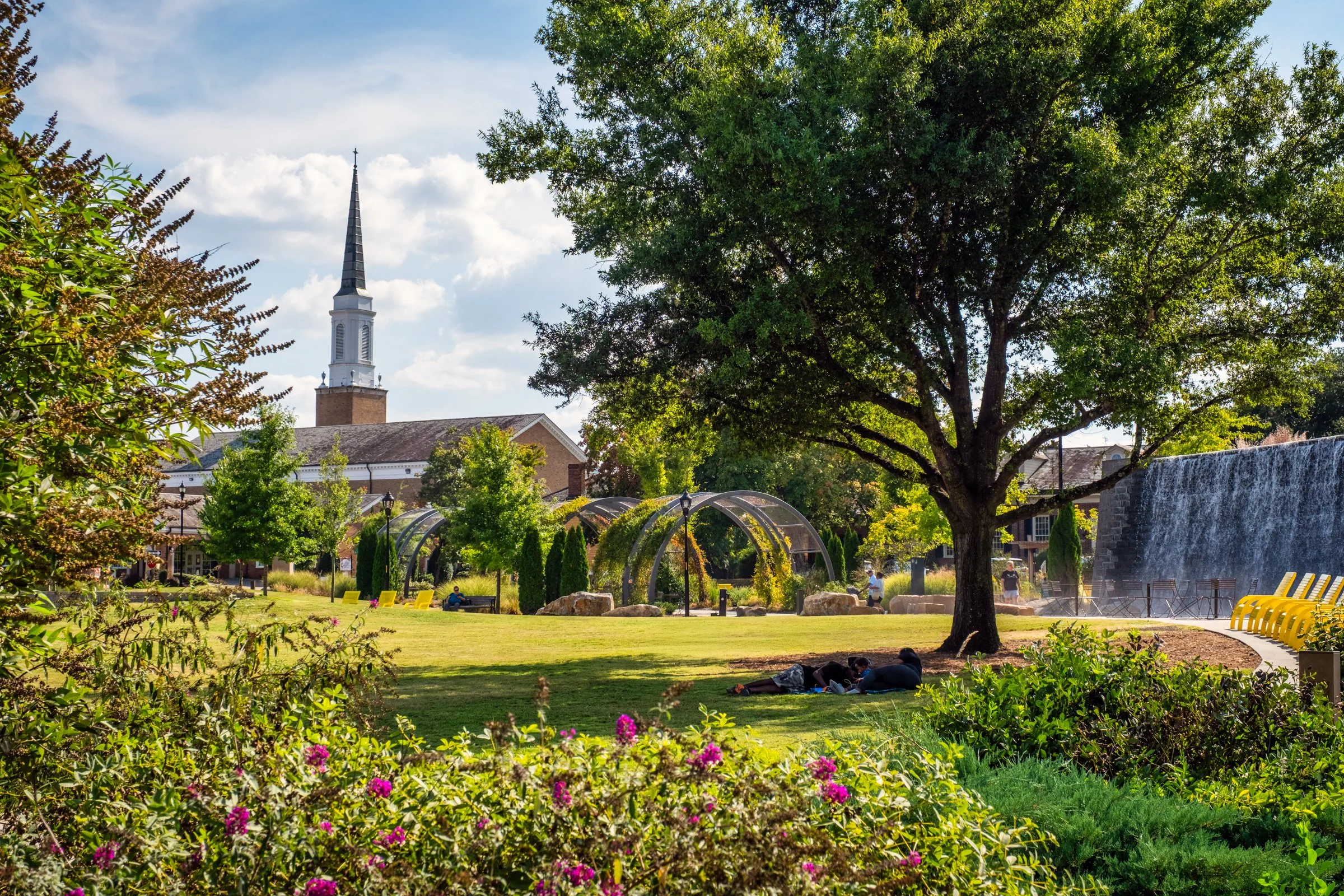
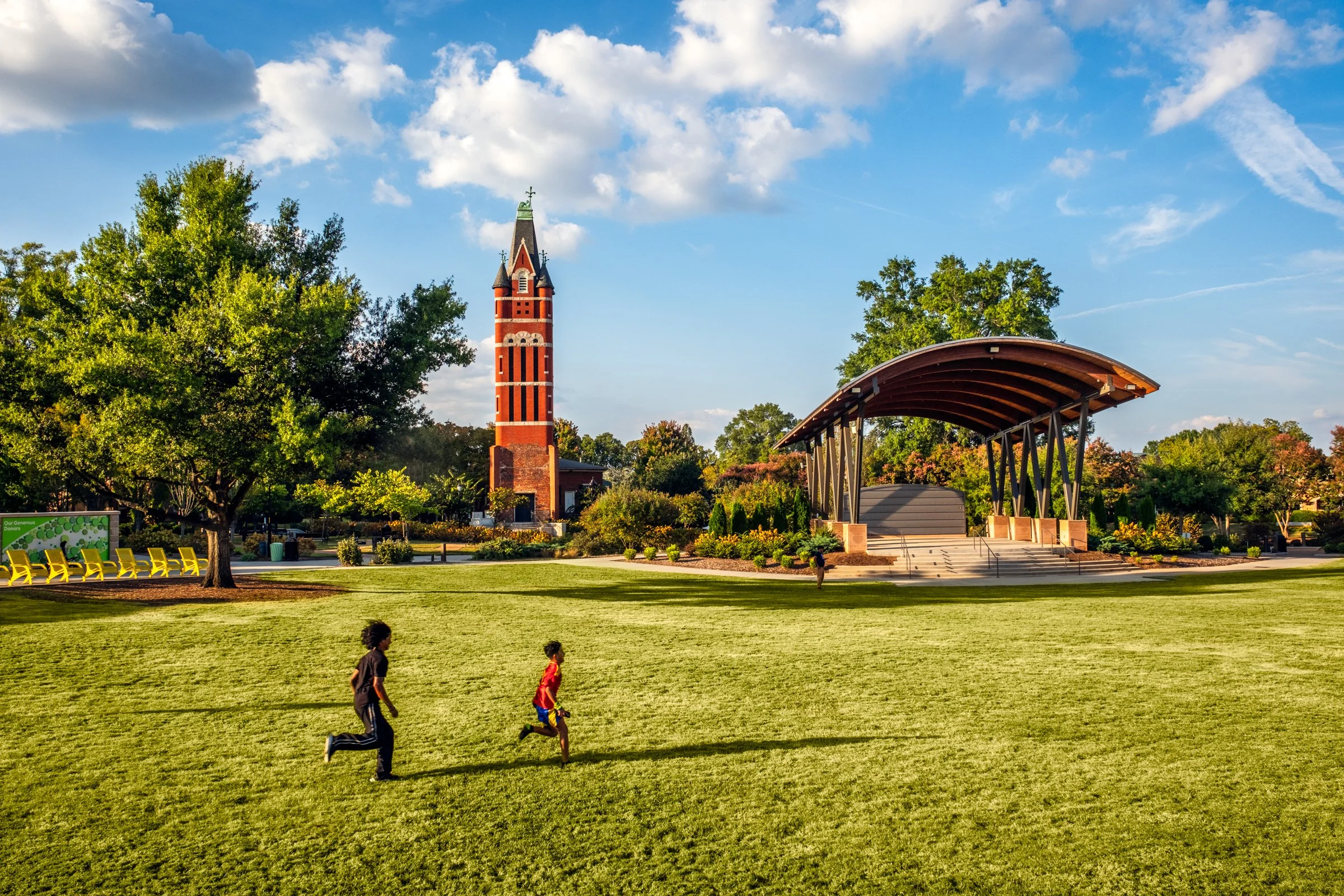
Belltower Green, Salisbury, NC
How the Idea of Public Parks & Gardens Began
Ancient Origins: Shared Green Space as Civic Duty
The idea of communal green space is far from modern.
In ancient Persia (c. 500 BCE), the concept of the pairidaeza—a walled garden representing harmony between humans and nature—laid philosophical groundwork for future gardens.
In ancient Rome, public gardens (horti) and forums were designed for leisure, reflection, and civic life. Wealthy citizens often opened their gardens to the public as acts of generosity and social responsibility.
From the beginning, green space was understood as something that contributed to the common good—not just private pleasure.
Medieval & Renaissance Gardens: Knowledge and Order
During the Middle Ages, monastic gardens served practical and spiritual purposes. They were places of healing, food production, and contemplation, often featuring medicinal plants and early botanical study.
By the Renaissance, botanical gardens emerged as centers for scientific research and education. The Orto Botanico di Padova (1545)—still in its original location—is widely recognized as the world's oldest academic botanical garden.
Gardens had become places where knowledge, health, and stewardship intersected.
The Industrial Revolution: Parks as Social Reform
Modern public parks emerged largely in response to the rapid urbanization of the 18th and 19th centuries. Industrial cities were crowded, polluted, and often inhospitable.
Reformers believed access to green space could:
Improve public health
Reduce crime
Foster moral and social well-being
A key milestone was Birkenhead Park (England, 1847), recognized as one of the earliest publicly funded municipal parks, opening on April 5, 1847.
The American Park Movement
In the United States, parks became a democratic ideal. Central Park (with its first section opening in 1858) was designed as a place where people of all social classes could gather on equal footing.
From there, the park movement expanded into:
City park systems
National parks
Parkways and green corridors
Parks were no longer luxuries—they became essential public infrastructure.
From the 20th Century to Today
Today, parks and gardens serve overlapping roles in environmental resilience, public health, cultural preservation, and climate adaptation. Increasingly, urban planners recognize green spaces not as amenities, but as essential services.
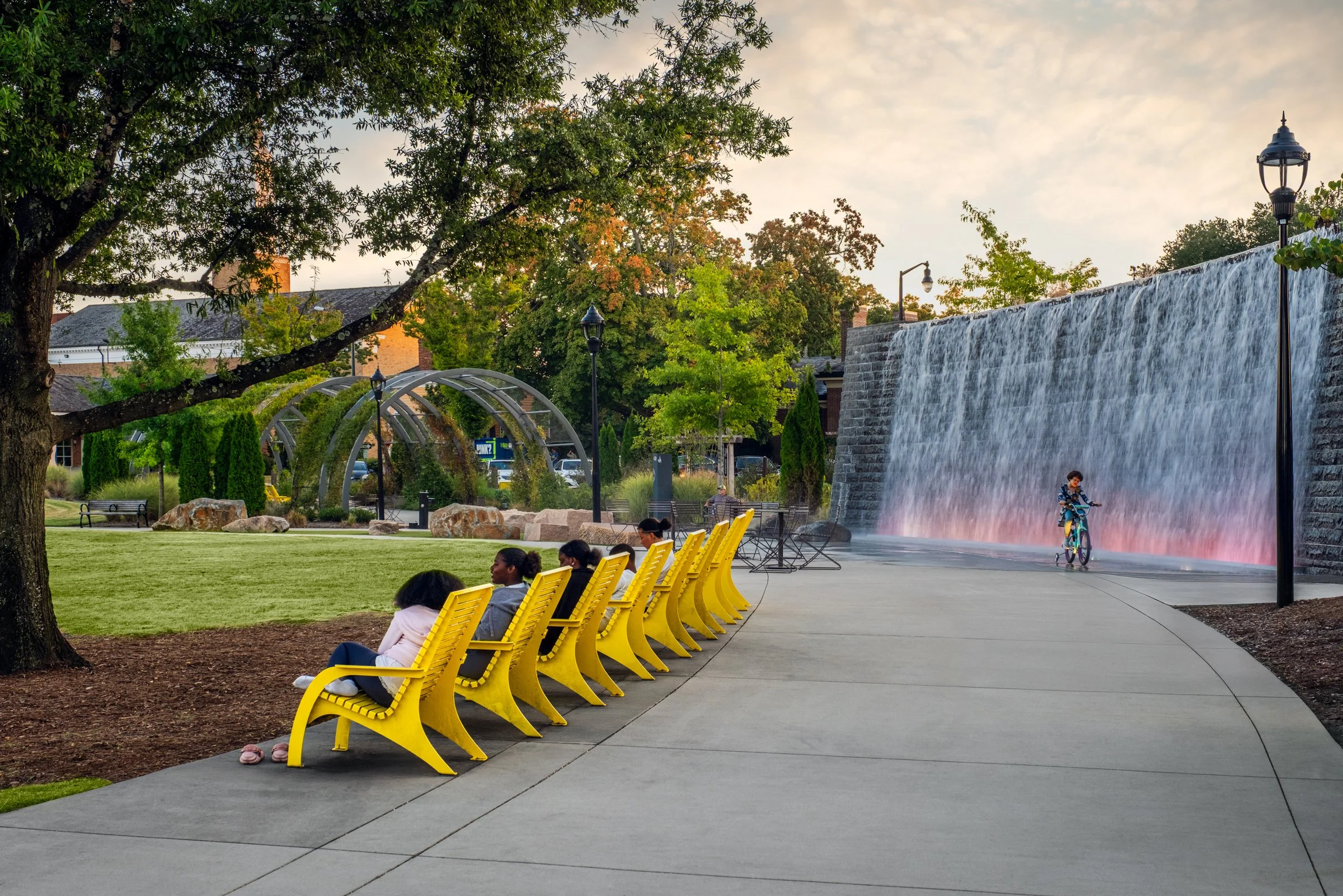
Belltower Green, Salisbury, NC
Five Meaningful Ways to Experience a Park or Garden
1. Slow Observation
Sit quietly and notice plant textures, shifting light, and seasonal changes. This simple practice deepens awareness and cultivates reverence for place.
2. Walking with Intention
Choose a path and walk it slowly—without headphones. Let the park guide your pace rather than your schedule.
3. Learning the Landscape
Read interpretive signs, identify native plants, or research the site's history. Understanding why a place exists changes how we value it.
4. Creative Practice
Sketch, photograph, journal, or write poetry. Parks have long served as catalysts for art, reflection, and imagination.
5. Shared Experience
Bring a friend, child, or elder. Parks become meaningful not only through solitude, but through shared memory—moments that quietly anchor us to one another.
Birmingham Botanical Gardens
Have any of these practices been meaningful to you? Or is there another way you've learned to experience parks and gardens more deeply?
